
The Mural in Baisha Village

The Mural in Baisha Village

Overview

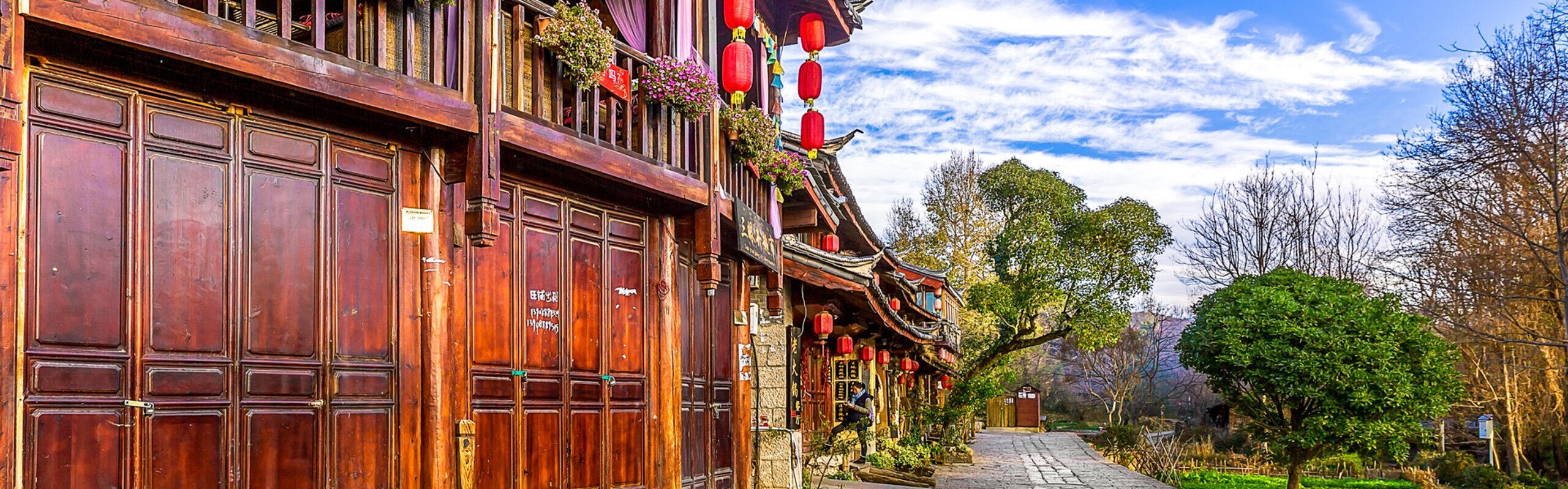
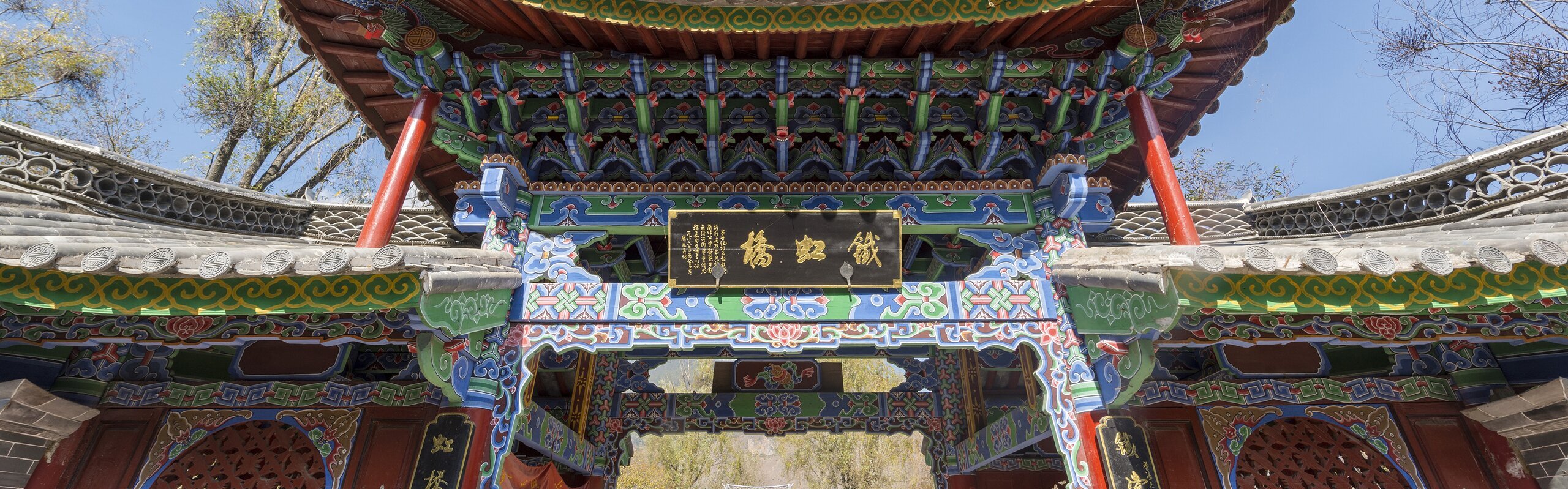
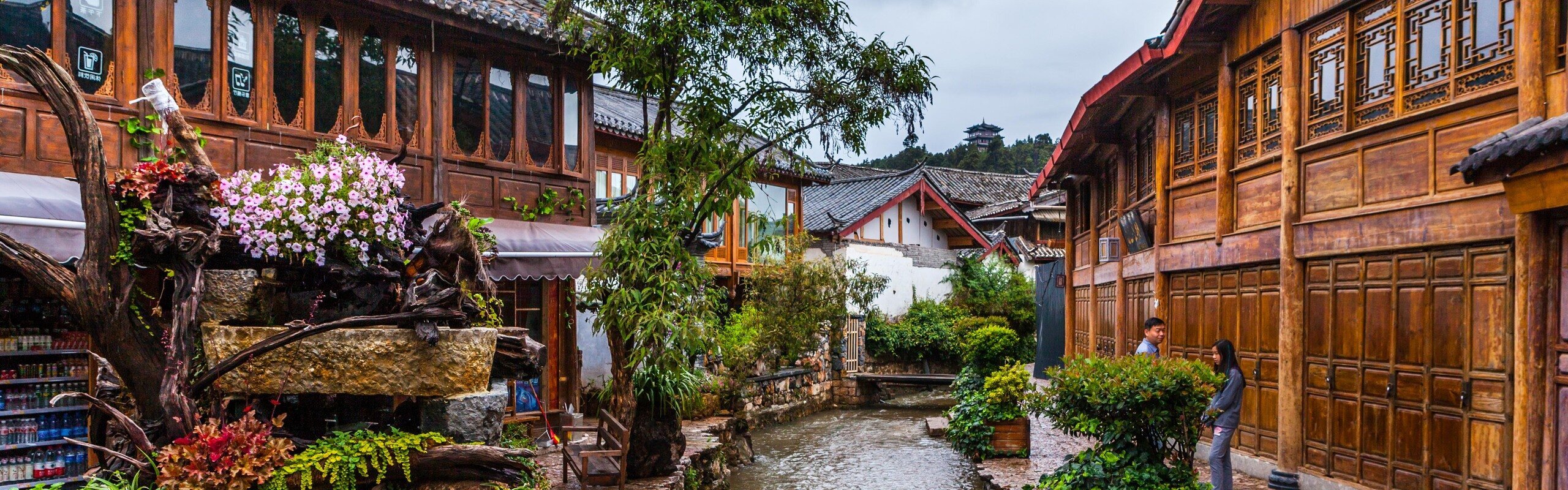
Baisha Old Town is one of the oldest towns in Lijiang. It is the earliest settlement of the Naxi people and is the birthplace of "Tusi", chief of the Mu clan. In the town there are many ancient buildings built during the Ming Dynasty, including Dabaoji Palace, Liuli Temple, and Wenchang Palace. The well-known Baisha Frescoes are located in Dabaoji Palace. Because of the white sand on the ground, the town was named "Baisha", which means "white sand". In the Naxi language, it is called "bengshi". The architectural complex is made up of two parts, folk residence and cultural sites. The folk residence is called "pengshizhi" which in the local language means "Baisha Streets". The streets all go from south to north. In the center of the old town there is a square where three thoroughfares intersect. Houses and small stores stand on the both sides of these streets. A crystal clear stream winds around all the houses flowing through the small town from north to south.

History

Baisha Old Town is the cradle of the Mu clan. There the Mu family became experienced in city planning. Early in the Tang Dynasty when the king of Nanzhao State named the Yulong Snow Mountain North-Yue, the ancestors of Mu clan began to build Baisha Streets and North-Yue Temple in Baisha Old Town. In the Song Dynasty the prosperous little town became the economic, political and cultural center of Lijiang. In the Ming and Qing Dynasties the Mu family gradually moved to Dayan town.  The central district of the town is characterized by temple groups called "Mudu" and a big square symbolizes the political rights of the Mu family. Among the surviving ancient architectural groups, the Fuguo Temple, Dabaoji Palace, Liuli Palace, and Dading Pavilion were built during the reign of Tusi. During this time, the Mu people began to channel water from Yulong Snow Mountain into the town.
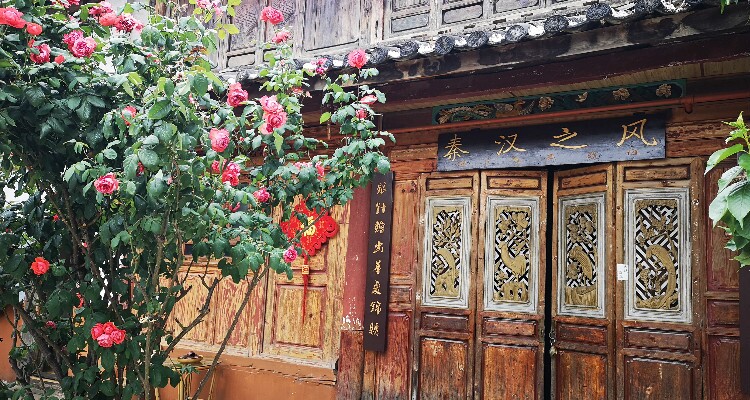
Baisha ancient town

Places of Interest

In the center of Baisha Old Town is a group of temples called "Mudu". There are many ancient buildings such as Dabaji Palace, Dading Pavilion, Jingang Palace and Baisha Frescoes. All of these ancient buildings witnessed the golden age of Baisha Old Town.

Dabaoji Palace and Liuli Temple
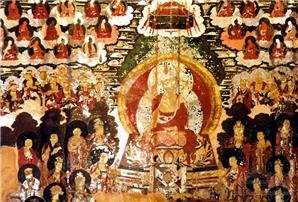
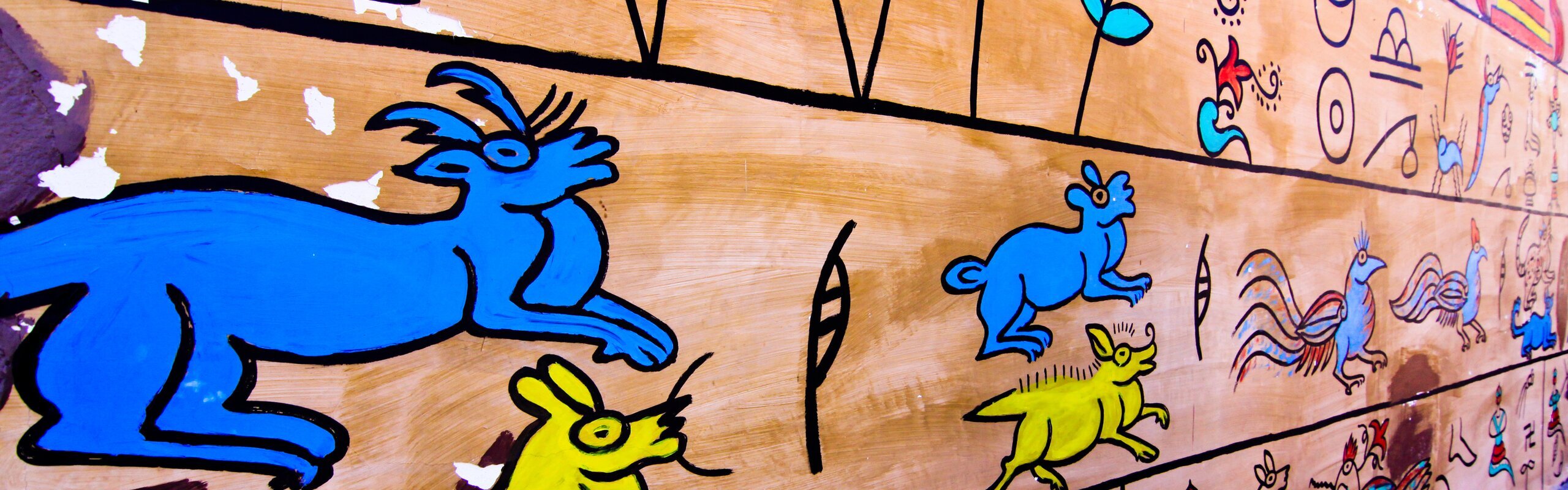
Baisha Mural Painting in Dabaoji PalaceBeautiful Murals of Dabaoji Palace in Baisha Village

At the end of Baisha Old Street, there is a huge group of temples built during the Yongle Period, in the Ming Dynasty. It consists of three yards including the gate of the temples, the dooryard, Sutra Collection Pavilion, the cloister, Liuli Temple, and Dabaoji Palace. Dabaoji Palace is the backyard. The total area of the palace is about 73 square meters. There are 28 fresco groups located in the palace. Among these frescos the painting about Sakyamuni explaining the sutra passages to his disciples is the most famous one. These mural paintings, with their fine and smooth lines, bright colors, vivid pattern, balanced and harmonious composition are a wonderful display of more than 100 figures depicting religious tales and activities from Taoism, Buddhism, and Tibetan Buddhism. These frescoes are not only treasures of the history of Chinese painting, but also important cultural relics as well. The fresco group is a collaboration of artists from Han and Tibet nationalities. They represent superb artistic skills, as seen by the flowing lines and well-defined colors. They are a rare treasure. Dading Pavilion, dating back to Wanli period, the Ming Dynasty (1572 AD) is about 10 meters away from Dabaoji Palace. The 16 mural paintings preserved in Dading Pavilion were finished in the Qing Dynasty. Different from those in Dabaoji Palace, the beautiful shapes, in bright colors and precise lines form a sharp contrast. They too are a national treasure.

Baisha Frescos

The 44 pieces of Baisha frescos were drawn in the early Ming Dynasty. Most of the paintings are about religious stories of Taoism, Buddhism, and Tibetan Buddhism. The murals embodies the artistic characteristics of the Naxi, Tibetan, Han and Bai ethnic groups. Among them the paintings about Kwan-yin and Sakyamuni are the most famous ones. Now Baisha Frescos, also known as Lijing Frescos have become precious data for the study of China's history of arts and religions.
Mehr Attraktionen in Lijiang

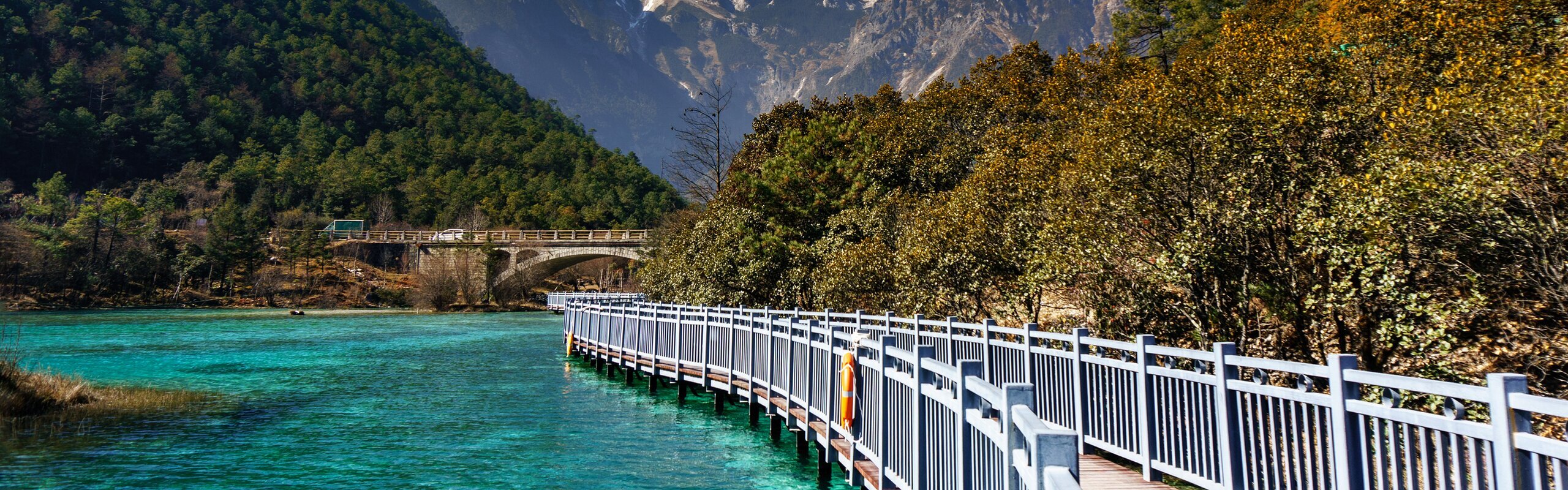
Blue Moon Valley 2026: How to Visit (8 Useful Tips)

Blue Moon Valley 2026: How to Visit (8 Useful Tips)

We recommend the tour route: Spruce Meadow → Blue Moon Valley, which is suitable for most visitors, especially families with children or elderly members.

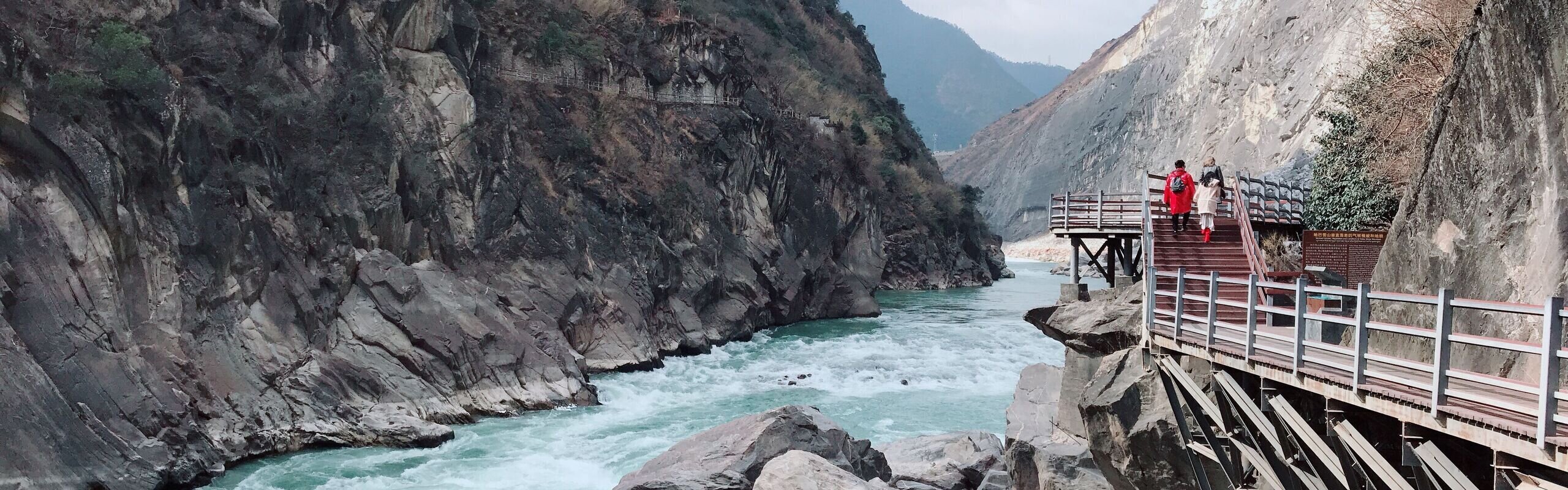
Tiger Leaping Gorge 2026: How to Visit, Hike, Itinerary, Map

Tiger Leaping Gorge 2026: How to Visit, Hike, Itinerary, Map

As one of the deepest scenic gorges in the world, Tiger Leaping Gorge has 3 sections: discover the Upper Gorge, Middle Gorge and Lower Gorge.

Lugu Lake- Explore the Secluded Beauty and Matriarchal Mosuo

Lugu Lake- Explore the Secluded Beauty and Matriarchal Mosuo

Lijiang's Lugu Lake is worth visiting. You can relax and slow down there, and discover the local Mosuo people. Find out more about the Mosuo, the lake, and travel info.

Lijiang Jade Spring Park, Lijiang Black Dragon Pool Park

Lijiang Jade Spring Park, Lijiang Black Dragon Pool Park

Lijiang Jade Spring Park shows visitors amazing scenery with a large crystal pool , a tall mountain and historic buildings in graceful shapes.

Lijiang Shuhe Ancient Town, Lijiang Dragon Spring Town

Lijiang Shuhe Ancient Town, Lijiang Dragon Spring Town

Lijiang Shuhe Ancient Town is the earliest habitation of Naxi ancestors, where you can appreciate simple and unsophisticated Naxi customs & architectures

Top 12 Handpicked Attractions in Lijiang with Travel Tips

Top 12 Handpicked Attractions in Lijiang with Travel Tips

Lijiang attractions are dominated by awesome sceneries like Tiger Leaping Gorge and Jade Dragon Snow Mountain, with Lijiang Ancient Town as window to China’s past.

Lijiang Dongba Museum, Lijiang Naxi Culture Museum

Lijiang Dongba Museum, Lijiang Naxi Culture Museum

Lijiang Dongba Museum is an active museum in Yushui Village Scenic Area with people transmitting Dongba culture and hieroglyphic writing system.

Lijiang Stone Drum Town, Lijiang Attractions

Lijiang Stone Drum Town, Lijiang Attractions

Stone Drum Town is a bustling ethnic community in Lijiang of Yunnan, where the Naxi, Zang, Bai, Yi, Miao, and Hui people live harmoniously as one.

How to Visit Lijiang Old Town: Your Handy Tour Guide

How to Visit Lijiang Old Town: Your Handy Tour Guide

Old Town of Lijiang was listed as a UNESCO World Heritage Site in 1997. It is famous for its architecture that blends elements from several cultures and its appealing vibe.

Impression Lijiang, A Culture Show to Sweep You into Lijiang's Soul

Impression Lijiang, A Culture Show to Sweep You into Lijiang's Soul

Impression Lijiang is a magnificent outdoor singing & dancing performance demonstrating tradition and lifestyle of local Naxi people performed at an outdoor theater in Jade Dragon Snow Mountain.

The Three Parallel Rivers of Yunnan Protected Areas

The Three Parallel Rivers of Yunnan Protected Areas

The Three Parallel Rivers of Yunnan Protected Areas is the place where the headwaters of the Salween, the Mekong, and the Yangtze flow in parallel in Yunnan Province.

Mufu Wood Mansion in Lijiang Ancient Town, Yunnan Province

Mufu Wood Mansion in Lijiang Ancient Town, Yunnan Province

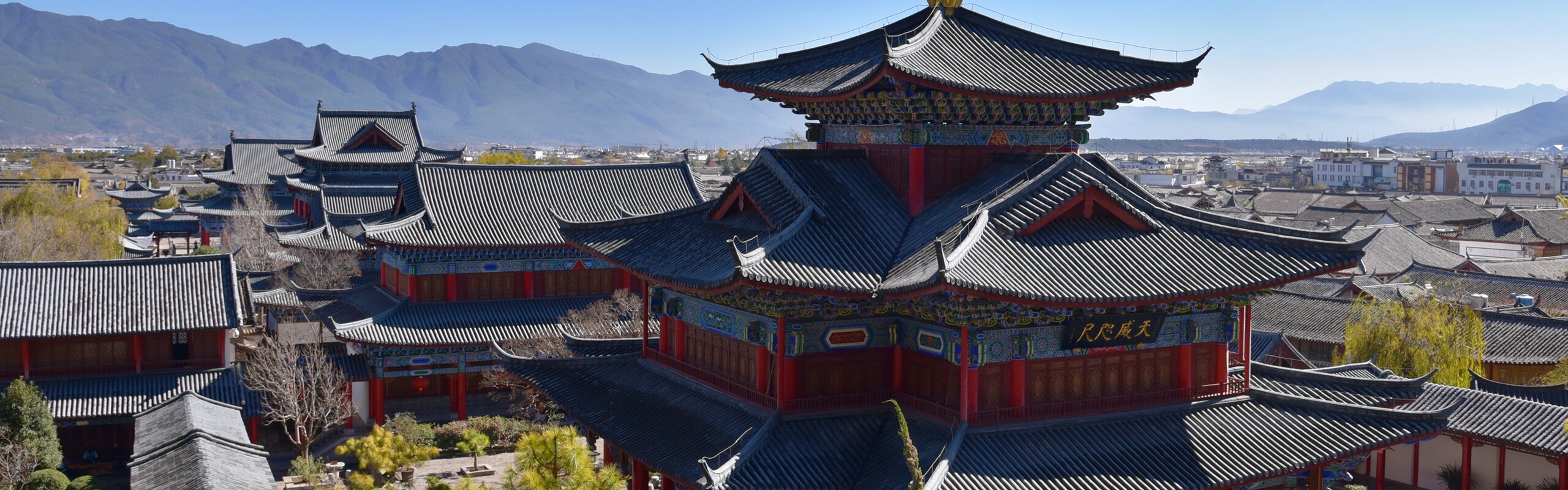
Lijiang Mufu Wood Mansion is a large reconstructed palace and castle on a hill overlooking Lijiang Ancient Town, decorated in the Ming and Qing style.

Jade Dragon Snow Mountain 2026: How to Visit, Weather, Map

Jade Dragon Snow Mountain 2026: How to Visit, Weather, Map

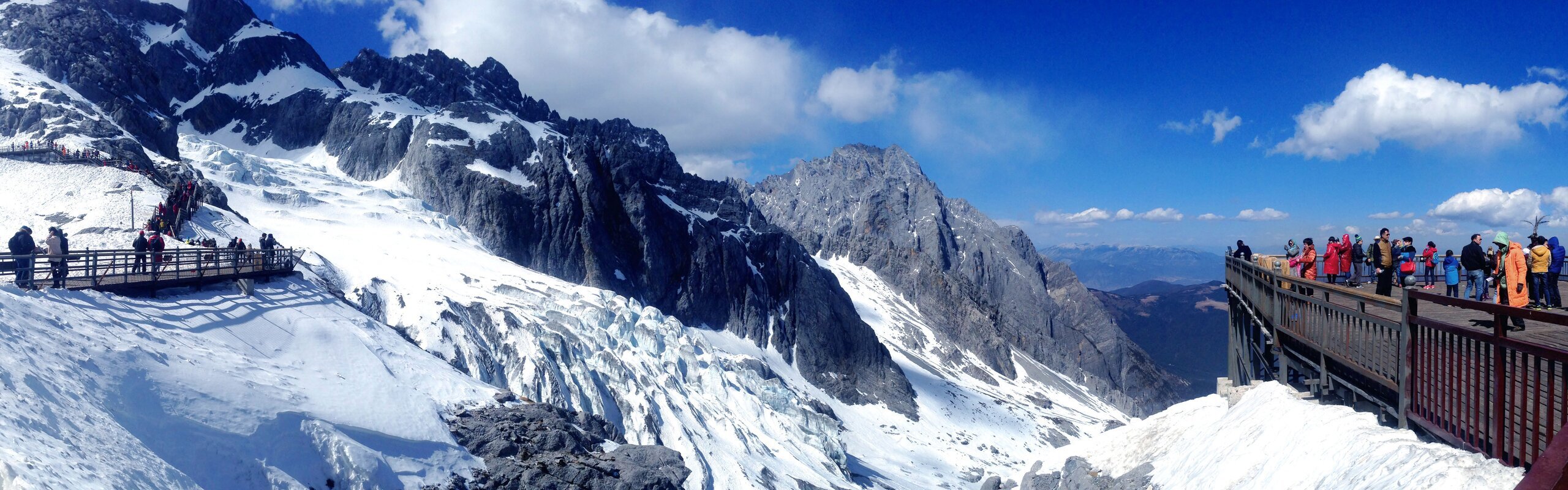
Jade Dragon Snow Mountain is famous for its variant and beautiful natural scenes, and is considered a sacred mountain among the local Naxi ethnic people. It is also a popular hiking destination.

Lashi Lake and Zhiyun Temple in Lijiang Ancient Town

Lashi Lake and Zhiyun Temple in Lijiang Ancient Town

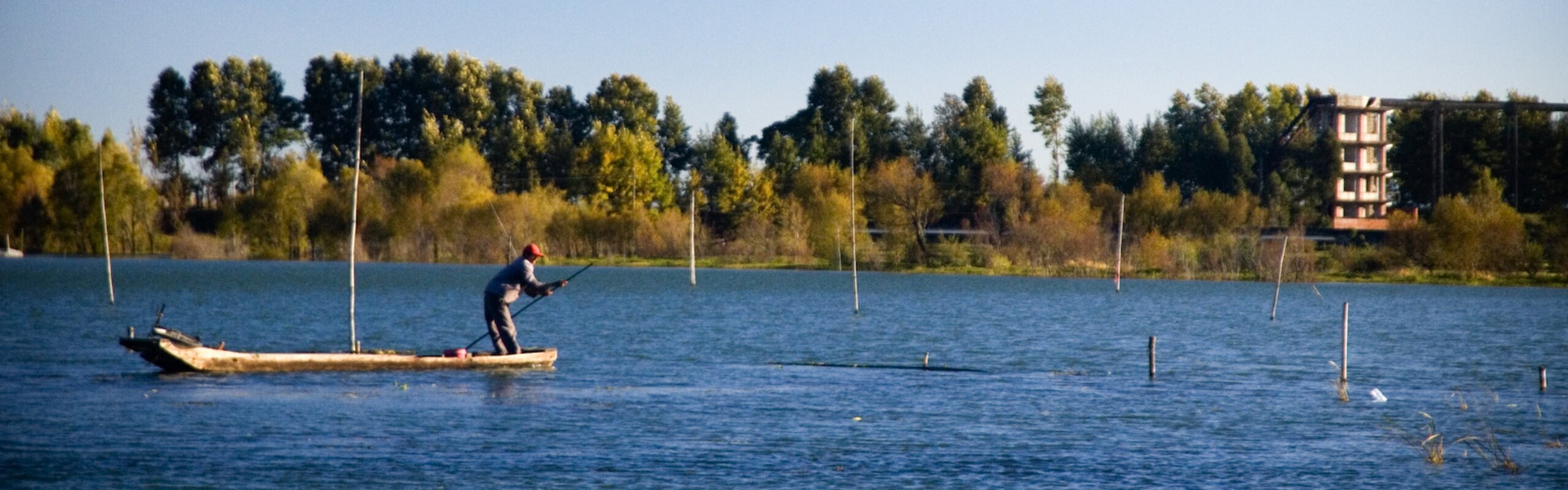
Lijiang Zhiyun Temple is located by the mirror like Lashi Lake in Lijiang Ancient Town, and Lashi Lake is the first Wetland nature reserve in Yunnan.

First Bend of the Yangtze River in Lijiang – Travel China

First Bend of the Yangtze River in Lijiang – Travel China

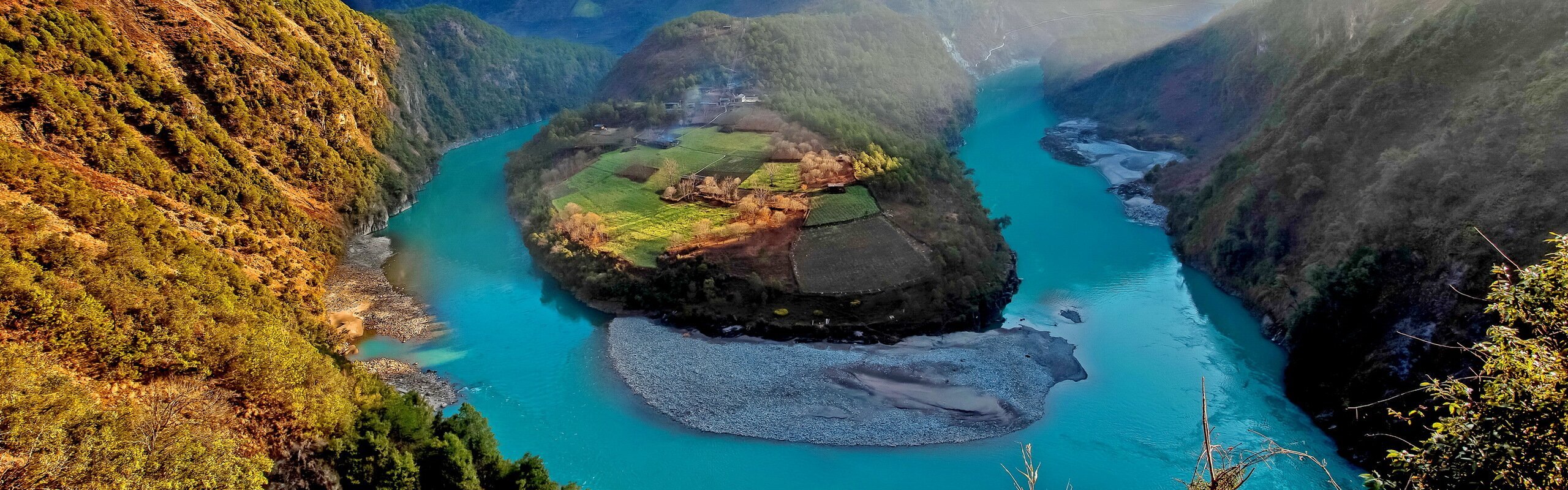
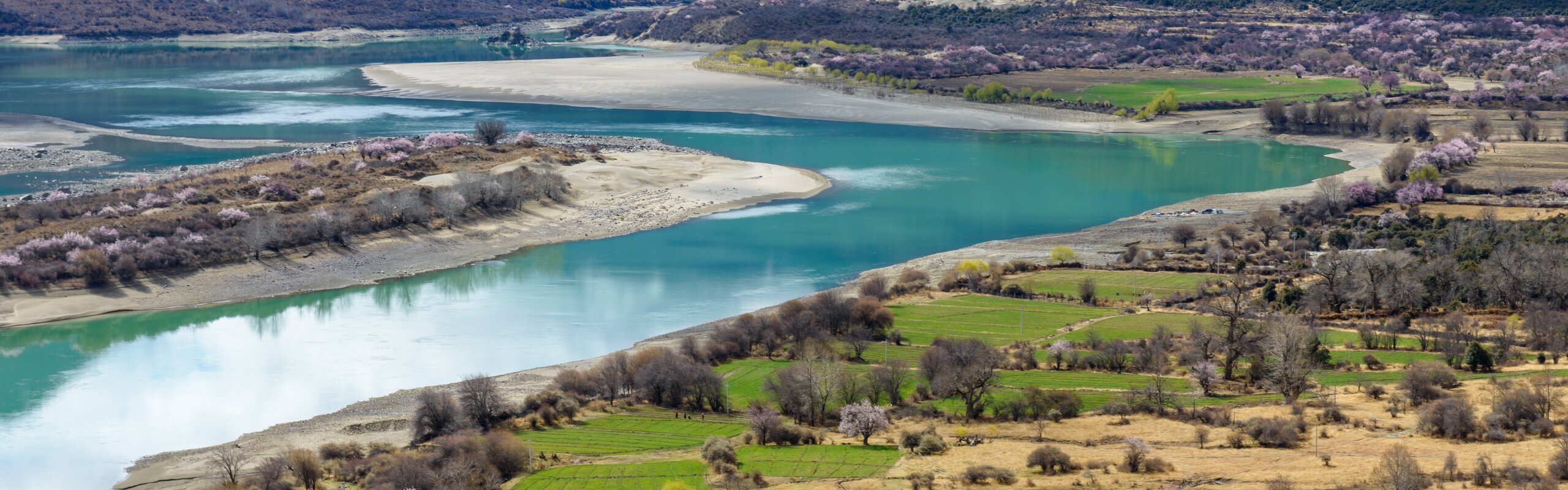
First Bend of the Yangtze River gets its name because the river makes a 90 degree turn from south to east within a distance of 1 kilometer.

A Global Network of Trust and Recognition

World Travel Awards logo
TripAdvisor logo
TrustPilot logo
PATA logo
CNN travel logo
BBC travel logo
Forbes logo
Australian Geographic logo
TimeOut logo
South China Morning Post logo
Responsible Travel logo
Travel Stride logo
Connect with your personal advisor
to start your journey.Start Your Journey

Let the Journey Come to You

Receive our heartfelt stories, travel insights, and special offers -
thoughtfully curated and sent to your inbox.

Click to Subscribe

Why Travel China

Our Belief, and the People Who Bring It to Life.

Our Belief

Highlights Happen When We Get Closer.

Close to Nature
Close to Nature
Your phone's wallpaper,
but you are in it.
Close to Culture
Close to Culture
Live it,
don't just list it.
Close to People
Close to People
Know yourself better by
knowing others.

Our Promise

A 4-on-1 Team Dedicated to You.

YOUR PERSONAL TRAVEL DESIGNER
"
We're Travelers First, Planners Second.
YOUR PERSONAL TRAVEL DESIGNER

Deeply rooted in Asia for authentic advice. Passionate about crafting your unique story.

YOUR LOCAL
STORYTELLER
"
We share the stories you won't find in a guidebook
YOUR LOCAL STORYTELLER

Connecting you with the top 20% of local storytellers. Your personal photographer for cherished moments.

YOUR PRIVATE DRIVER
& CAR
"
20% more space, 100% on your schedule.
YOUR PRIVATE DRIVER & CAR

A seamless journey that moves at your own pace. Your private, comfortable space on the road.

YOUR 24/7
TRAVEL SUPPORT
"
Any Problem, Anytime, Anywhere.
YOUR 24/7 TRAVEL SUPPORT

Your safety and peace of mind are our priority. Instant responses, so you're never left waiting.