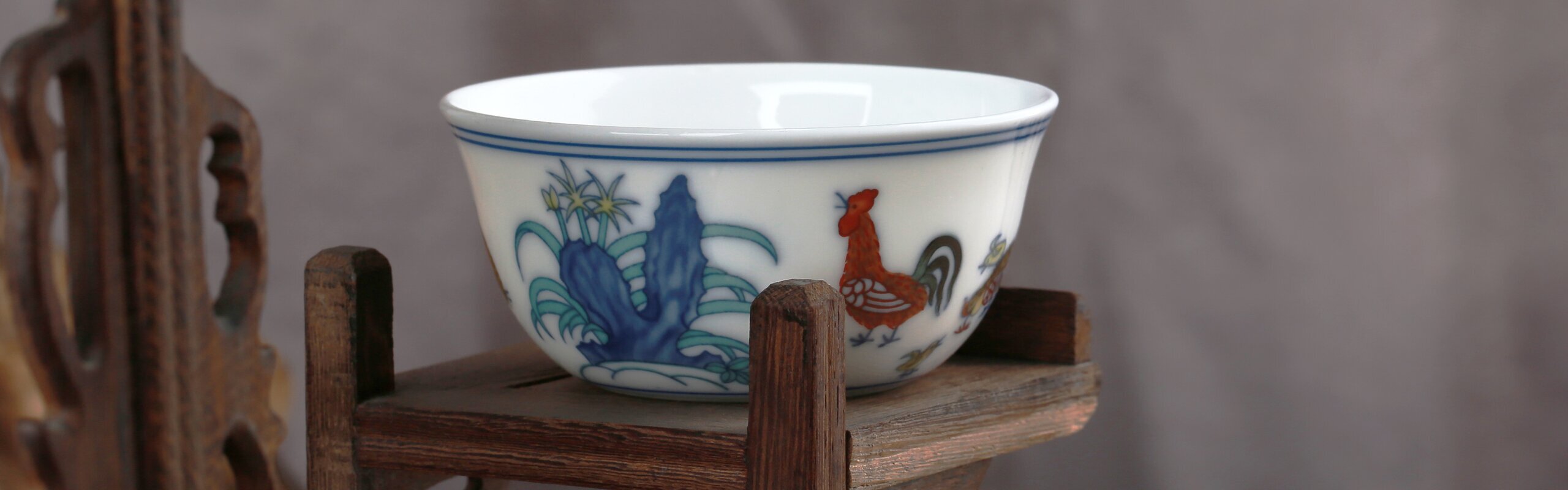

From the earliest china made in the Han Dynasty to the masterpieces of the Qing Dynasty, Chinese porcelain has been through a celebrated development.
With bright and beautiful colors, Chinese porcelain has always been known for its exotic, durable, and exquisite characteristics. These 10 facts will help you learn more about Chinese china.
1. Porcelain was first created in China.
Authentic Chinese porcelain was first produced in the Han Dynasty (206 BC– 220 AD). Its production continued to be an important national art all the way up until the last imperial dynasty — the Qing Dynasty (1644–1912).
2. The raw materials of Chinese porcelain are cheap and readily available.
Chinese porcelain was made from various ingredients such as: glass, bone, ash, quartz, and alabaster.
The primary and main raw material of Chinese porcelain is kaolin, a clay mineral. The name kaolin was derived from Gaoling, a small village near China's porcelain capital Jingdezhen.
3. Chinese porcelain is known as china.
Reflecting its almost exclusive production in its land of origin, Chinese porcelain was also called "china" in Western countries. "China" has become the common word for "porcelain" in English.
4. Chinese porcelain was first exported over 2,000 years ago

Chinese porcelain was exported as early as the Han Dynasty (206 BC – 220 AD). Due to the large-scale trade developed on the Silk Road routes, Chinese porcelain was quickly introduced to Western countries.
From the Song Dynasty (960–1279), Chinese ceramics were exported in large quantities, thanks to the prosperous maritime trade.
5. A well-kept porcelain piece can last for over 1,000 years!
Chinese porcelain has a long life. Authentic Chinese porcelain made from kaolin, quartz, and feldspar, in the right proportions, is an extremely durable and translucent material.
6. Dozens of procedures are needed to make a porcelain piece.
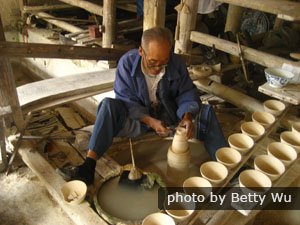
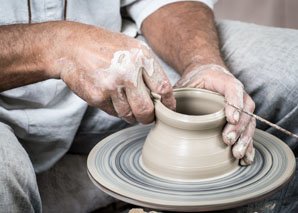
From the initial gathering of the raw materials, a piece of porcelain requires many processes, including crushing the raw materials, cleaning and mixing them, forming the shape, bisque-firing (first-firing), glazing, and final firing.
Between these main procedures, more sundry operations have to be done.
7. In ancient China, supplying porcelain to the imperial family required government permission.
Unlike in today's mass production era, in ancient China porcelain was made by various small enterprises indifferent districts. The imperial family would always have priority on buying the better ceramics.
Only a small number of workshops could be "royal kilns" after receiving recognition from the government. These had the highest status in the ceramic industry.
8. Antique China is highly sought after.
For porcelain enthusiasts, from Chinese emperors to Western art-lovers, china pieces have served as a special collector's item. The record price for a piece of antique china is $84,000,000.
As the classic artistic product of China, less expensive, non-antique pieces are always a popular souvenir for friends and family.
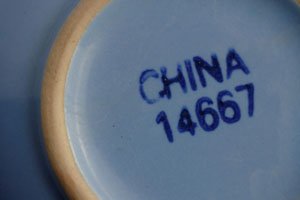
9. Porcelain was marked with the emperor's reign and dynasty.
Most antique Chinese porcelain has a mark on the bottom. Besides the potter's brand, the dynasty and emperor's reign was included. Viewing the branding is a key to spotting fakes and imitations
10. The most famous city for Chinese porcelain is Jingdezhen.
Jingdezhen, or 'Jingde Town' is the famous "porcelain capital" of China. It's a prefecture-level city about 400 km (250 mi) west of ancient capital and "tea capital" Hangzhou.
Jingdezhen got its name from Emperor Jingde of the Song Dynasty (960–1279) in 1004, because of its fine bluish white porcelain produced for the emperor.
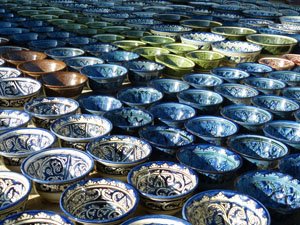
Porcelain Tour:
Jingdezhen tour: The Jingdezhen Ceramics Museum is the first of its kind and located in the world-renowned porcelain capital. It is a most important systematic and holistic showcase for glorious achievements in ceramics during the last two thousand years.