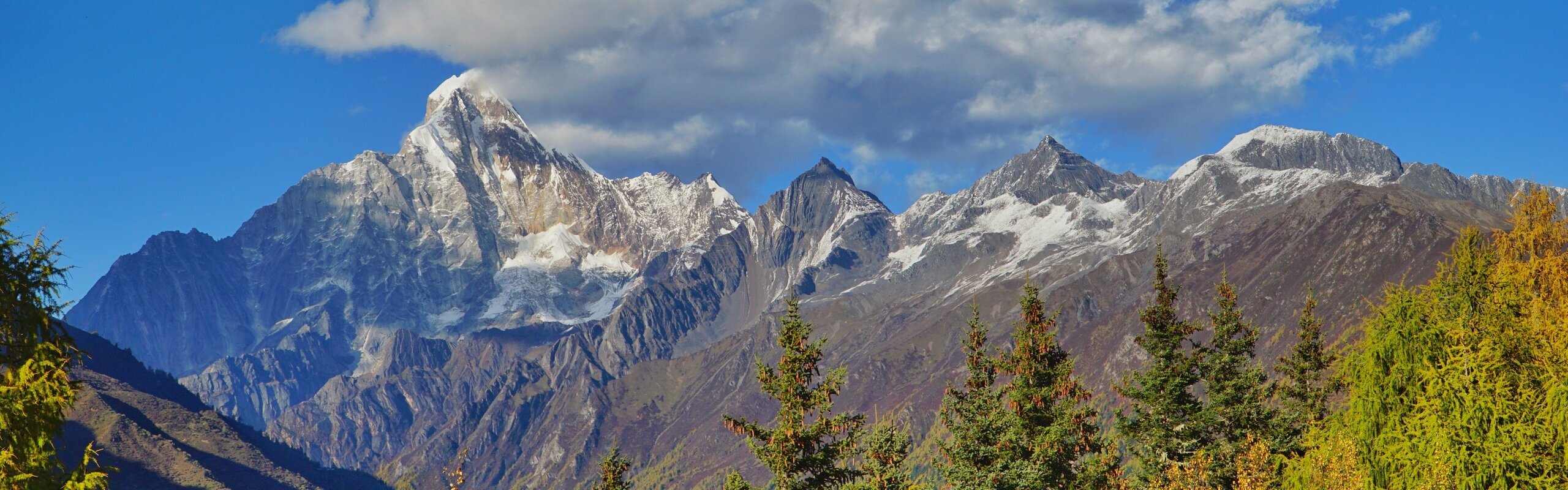

Siguniang Mountain (四姑娘山), also known as the Four Sisters Mountain, is often referred to as the "Chinese Alps" due to its resemblance to the European Alps. The mountain range consists of four adjacent snow-capped peaks, collectively referred to as "Siguniang Mountain." The four peaks, in order, are:
- Daguniang Feng 大姑娘峰: At an altitude of 6,250 meters, it is the second-highest peak in Sichuan Province.
- Erguniang Feng 二姑娘峰: 5,355 meters above sea level.
- Sanguniang Feng 三姑娘峰: 5,276 meters above sea level.
- Siguniang Feng 四姑娘峰: 5,025 meters above sea level.
When viewed from a distance, these four peaks resemble four graceful girls, hence the name "Four Sisters Mountain."
Canyons and snow-capped mountains make up this unique Siguniang Mountain sightseeing destination. Its breathtaking views attract nature lovers and adventurers from around the world who seek to challenge themselves.
Hello I'm Fifi, a local girl. My Chinese name, "Fei Fei飞飞," was given by my grandfather, hoping I could fly out of Chengdu and the mountains. However, my mom changed it to the more feminine "Fei Fei菲菲." So, as "Fifi," who is somewhat "stuck" in Chengdu, I've been introducing this leisurely and beautiful city to visitors from all over the world since 2018. From a poor small town to a prosperous metropolis, I've witnessed the vitality of this city and been gently sheltered by it. I hope to share this strength and beauty with every guest who comes here.
Content Preview
- Best Ways to Visit
- Will I Get Altitude Sickness
- Where to Stay
- How to Get there
- Weather
- Tips for Photos
- Why It Is Important
Best Ways to Admire the Holy Siguniang Mountains
There are two main ways to appreciate the beauty of Siguniang Mountain: climbing the snowy peaks and exploring the valleys.
Exploring the Valleys
The Siguniang Mountain Scenic Area comprises three main valleys: Shuangqiao Valley, Changping Valley, and Haizi Valley. Each valley boasts unique natural landscapes and characteristics.
1. Shuangqiao Valley (Double Bridge Valley): ideal for sightseeing
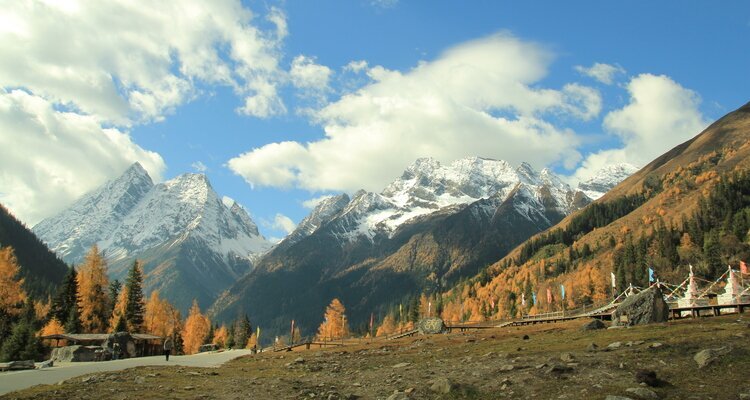 Shuangqiao Valley
This is the most developed and tourist-friendly valley. Shuttle buses are available throughout the route, and the valley features over 20 snow-capped mountains, making it perfect for easy sightseeing with concentrated attractions.
- Length: 42 km
- Entrance Fee: CNY 80 (entrance) + CNY 70 (shuttle bus)
- Opening Hours: 8:00–15:00
- Suggested Duration: 3–5 hours
- Altitude: 2,900–3,840 meters
Main Attractions:
- Redwood Forest: A forest with vibrant autumn foliage, located at the top of the canyon.
- Budala Peak: A majestic peak resembling the Potala Palace.
- Sigunacuo Lake: A clear lake mirroring the snow peaks and forests.
- Renshenguo Meadow: A vast grassland covered with wildflowers in summer.
- Longzhu Lake: A picturesque lake reflecting the surrounding snow-capped mountains.
The shuttle bus takes about 50 minutes to reach the top (Redwood Forest), after which you can explore the attractions one by one on the way down. Redwood Forest, Budala Peak, and Sigunana Lake are must-see spots.
Arrive early to catch the morning sunlight and enjoy the pristine snow-capped mountains.
2. Changping Valley (Long Flat Valley): ideal for hiking, camping and horseback riding
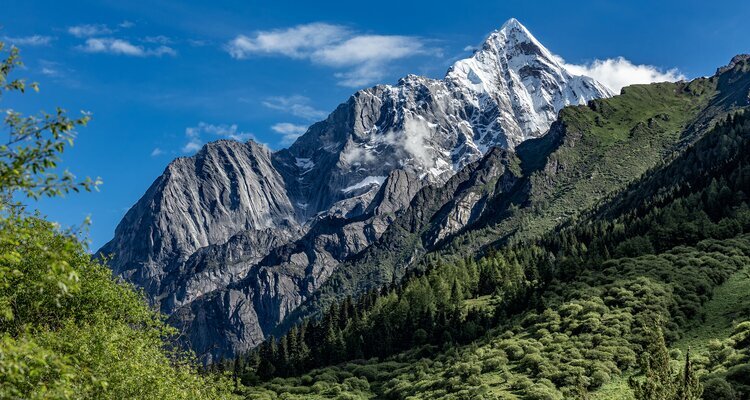 Changping Valley
 is gentle and long, with lush pristine forests and snow-capped mountains. In spring, mountain flowers and rapeseed blossoms bloom, while autumn brings vibrant red birch and maple foliage.
- Length: 29 km
- Entrance Fee: CNY 70 (entrance) + CNY 20 (shuttle bus)
- Opening Hours: 8:00–14:00
- Suggested Duration: For camping enthusiasts, a 2-day exploration is recommended. Most visitors spend one day exploring part of the valley.
- Altitude: 3,400–3,760 meters
Main Attractions:
- Dead Tree Beach: A unique landscape of withered trees and streams.
- Muzi Meadow: A high-altitude grassland offering close-up views of snow-capped peaks.
- Yaomei Peak: One of the main peaks of Siguniang Mountain, known for its grandeur.
- Lama Temple: A historic Tibetan Buddhist temple.
This valley not only offers stunning natural scenery but also showcases the unique culture of the Jia Rong Tibetan people.
3. Haizi Valley (Sea Valley): ideal for adventure and camping
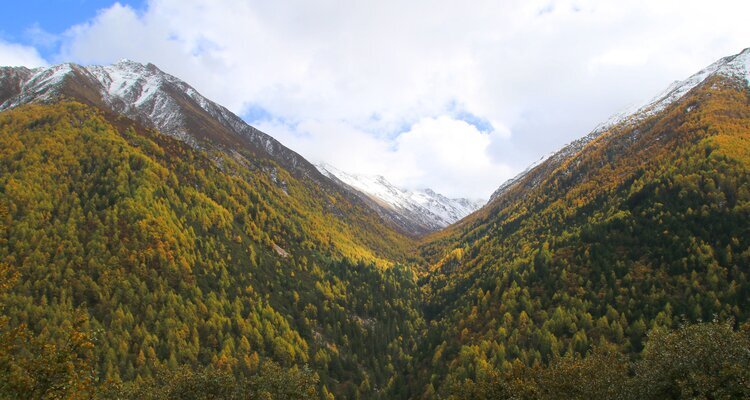 Haizi Valley
"Haizi" means lake. Haizi Valley is home to numerous alpine lakes and is the birthplace of the Zela River. The valley is known for its untouched natural beauty. There is no shuttle bus available within the Haizi Valley.
- Length: 19.2 km
- Entrance Fee: CNY 60
- Opening Hours: 8:00–18:00
- Suggested Duration: Hiking the valley requires 12–15 kilometers of walking (6–8 hours) or 4 hours on horseback.
- Altitude: 3,400–4,200 meters
Main Attractions:
- Dahaizi Lake: The largest alpine lake with crystal-clear water.
- Flower Lake: A colorful area blooming with wildflowers in summer.
- Bajiaopeng Lake: A stunning lake reflecting the snow-capped mountains.
- Rhinoceros Lake: A blue lake shaped like a rhinoceros.
Still can't decide which valley to choose? Contact us, and our Chengdu expert will make the best recommendation based on your needs, as well as arrange an experienced guide, transportation, and accommodation for you.
Climbing the Snowy Peaks
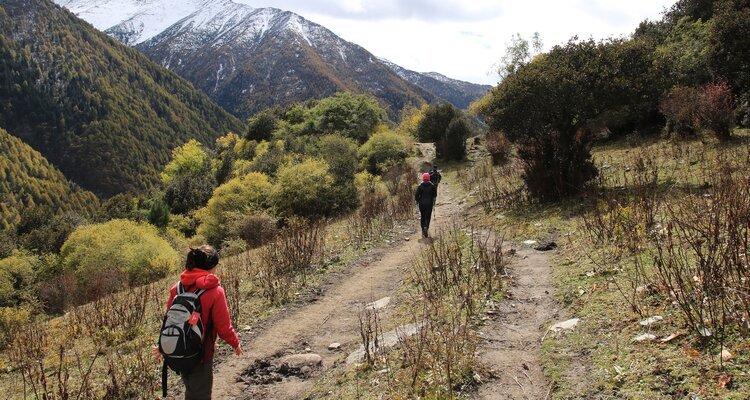 Hiking in Haizi Valley in Siguniang Mountain
The difficulty of climbing Siguniang Mountain varies by peak and route. Daguniang Mountain is the most challenging, suitable for professional climbers, while the others are easier. Here's a breakdown of each peak's difficulty:
- Daguniang Mountain: Most difficult, suitable for professionals.
- Erguniang Mountain: Medium-high difficulty, for experienced climbers.
- Sanguniang Mountain: Medium difficulty, for beginners.
- Siguniang Mountain: Least difficult, for beginners.
Climbing Tips:
- Acclimate to the altitude by arriving 1-2 days early.
- Prepare professional gear like hiking boots, jackets, crampons, and ice axes.
- Hire a local guide or join a mountaineering team for safety.
- Train physically to enhance endurance and cardiovascular function.
- Monitor the weather, as it can be unpredictable.
See our recommended tour: 4-Day Mt. Siguniang Hiking Adventure
Will I Get Altitude Sickness at Siguniang Mountain?
Altitude sickness can occur above 2,500 meters. If symptoms appear, rest and reduce activity. Seek medical help if necessary.
While driving from Chengdu to Siguniang Mountain, the altitude rises to around 4,300 meters, with Rilong Village at 2,300 meters. Avoid running or jumping to conserve energy. Use compressed oxygen if needed, and seek medical attention if symptoms worsen.
One of my clients experienced headaches and diarrhea upon arrival. After medical treatment, rest, and a diet of porridge and pumpkin, he recovered quickly.
Where to Stay in Siguniang Mountains
If you plan to visit two valleys, it's best to stay for 2 nights and 3 days, dedicating one day to each valley. This allows you to fully enjoy the natural beauty without rushing.
Siguniang Mountain is located in a small village called Rilong Village, where most travelers stay if they prefer not to camp in the canyons.
Siguniang Hotel is a good option, offering clean rooms. However, the standard of living is not comparable to big cities, and the breakfast is more suited to Chinese tastes, with limited Western options.
How to Get to Siguniang Mountain from Chengdu
The best way to reach Siguniang Mountain is by car, which takes about 4 hours. Along the way, you can visit the Wolong Panda Base and Ganhaizi if time permits.
If you're interested in Tibetan culture, consider visiting the following spots before returning to Chengdu:
- Drive 3 hours to Jiaju Tibetan Village to see the ancient Diao buildings.
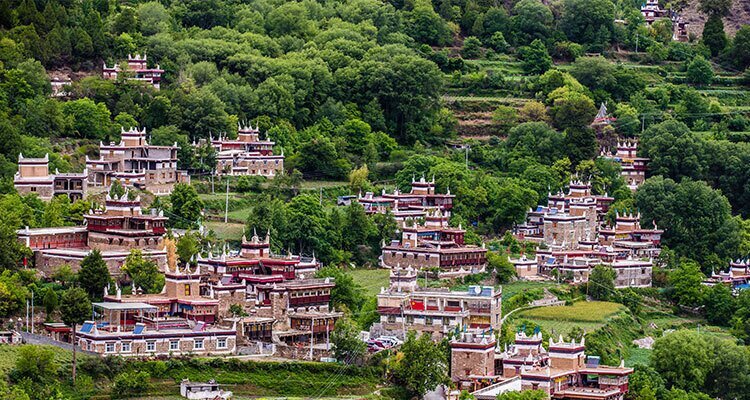 Jiaju Tibetan Village
- Drive another 3 hours to Tagong Grassland, where you can enjoy views of snow-capped mountains, grasslands, and Tibetan villages.
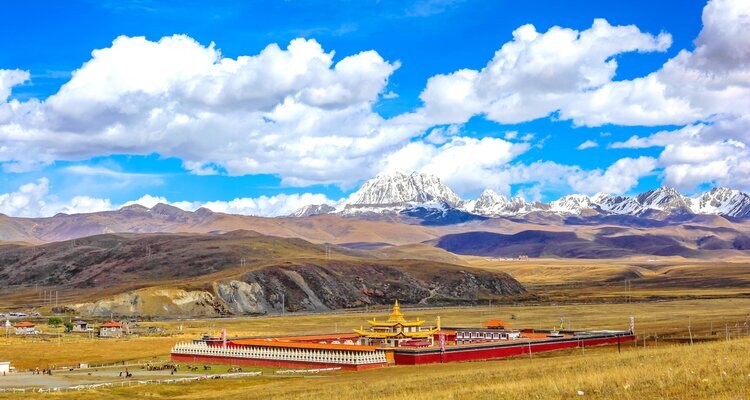 Tagong Grassland
- Drive 1 hour to Xinduqiao, a paradise for photographers.
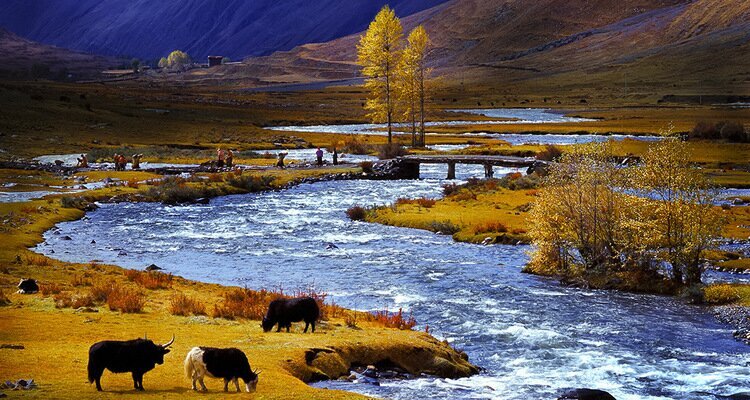 Xinduqiao
Recommended tour: 6-Day Sichuan Adventure Tour with Yala Snow Mountain
Siguniangshan National Park's Weather
Spring (March–May):
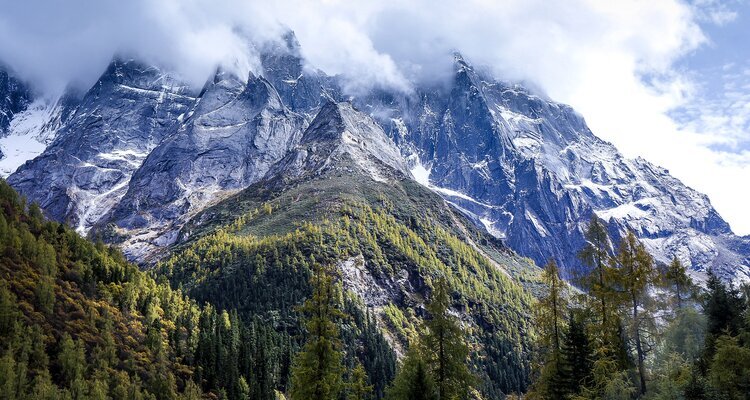 Siguniangshan in spring
Snow begins to melt, and the landscape turns green. Daytime temperatures range from 5°C to 15°C, with colder nights.
- Advantages: Fresh greenery, blooming wildflowers, and snow-capped mountains create a picturesque contrast. Ideal for hiking, photography, and sightseeing. Less crowded than in summer and autumn.
- Disadvantages: Unpredictable weather with sudden rain or snow. Some high-altitude trails may still be snow-covered.
Summer (June–August):
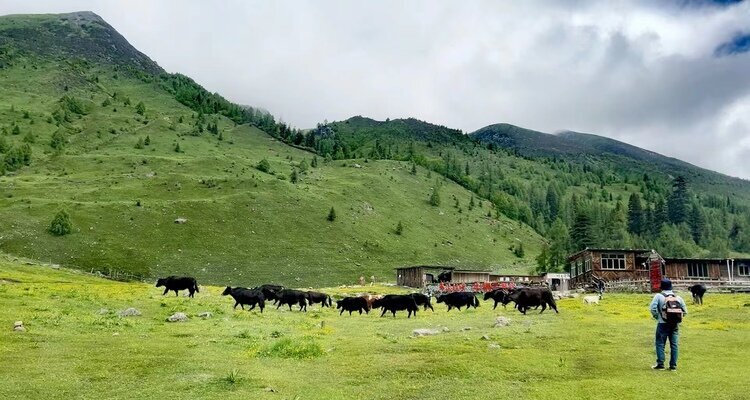 Siguniangshan in summer
Rainy season with frequent afternoon showers. Daytime temperatures range from 10°C to 20°C.
- Advantages: Lush landscapes with vibrant greenery and wildflowers. Comfortable climate for outdoor activities. All trails and valleys are accessible.
- Disadvantages: Rain can make trails muddy and slippery. Summer is peak tourist season, so popular spots may be crowded.
Autumn (September–November):
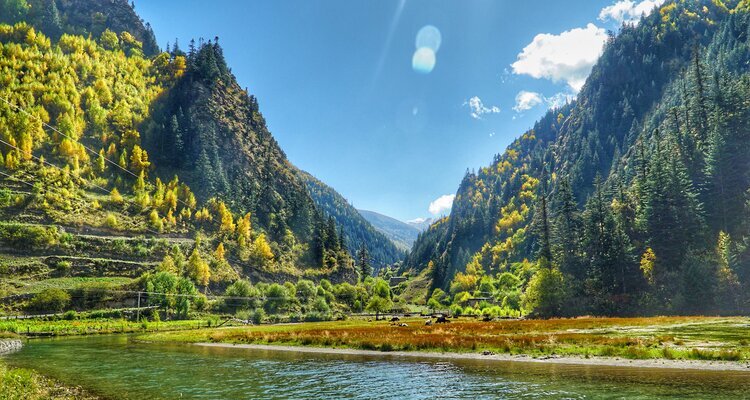 Siguniangshan in autumn
Stable weather with clear skies and minimal rainfall. Daytime temperatures range from 5°C to 15°C.
- Advantages: Golden forests, red leaves, and blue skies create breathtaking scenery. Ideal for hiking and photography.
- Disadvantages: Autumn is another peak season, so popular areas may be busy. Nights are significantly cooler.
Winter (December–February):
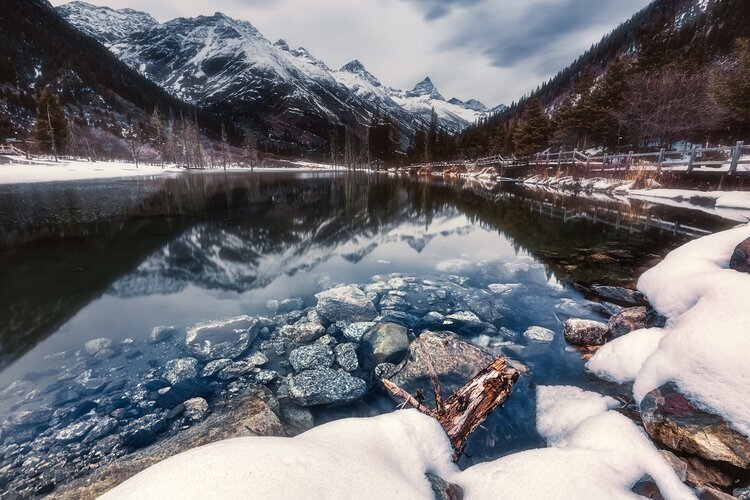 Siguniangshan in winter
Cold with daytime temperatures ranging from -5°C to 5°C. Heavy snowfall and icy trails.
- Advantages: Snow-covered landscapes offer a magical winter wonderland. Opportunities for snow hiking and photography. Fewer tourists.
- Disadvantages: Freezing temperatures and icy trails require proper gear. Some trails may be closed due to snow. Cold weather can worsen altitude sickness.
You can contact us to recommend the season that best suits your preferences and preparedness for a memorable trip to Siguniang Mountain.
Tips for Capturing Stunning Photos of Siguniang Mountains
The best spot to photograph the Four Sisters Mountain is at Mao Bi Liang, where all four peaks are visible. This location is about 16 kilometers from Rilong Town and is hard to miss when driving from Chengdu to Siguniang Mountain.
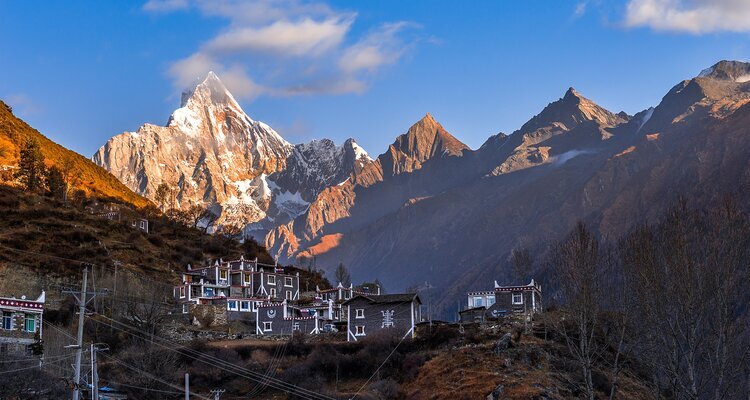 All four peaks under the sun as seen from the Mao Bi Liang Observation Deck
Additionally, in Shuangqiao Valley, you can capture the reflection of trees in the water, a favorite among photographers and travel enthusiasts.
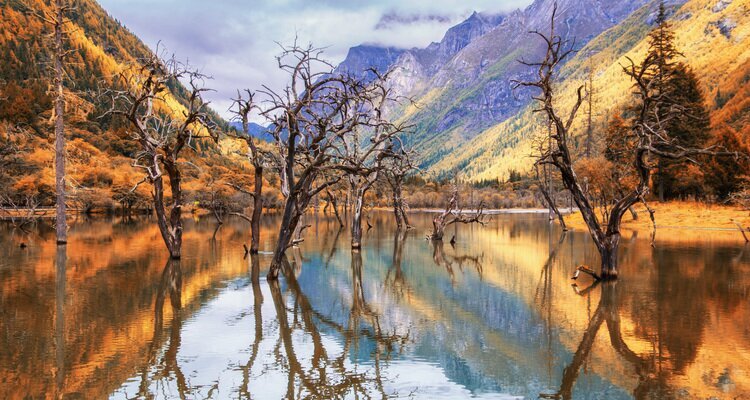 Tree shadows in the water of Shuangqiao Valley
Why is Siguniangshan Mountain Sacred to the Local Tibetan People?
Siguniangshan Mountain is considered a holy place. The local Tibetan community frequently conducts rituals and pilgrimages there.
Legend has it that a long time ago, a kind-hearted mountain god named Sigra had four beautiful daughters, known as the "four girls."
They lived by herding cattle. Their neighbor, Meldu, a sinister mountain god, coveted the daughters and challenged Sigra to a contest, proposing that if Sigra lost, he would surrender his lands and daughters.
Despite Sigra's efforts, he succumbed to old age and was killed. Meldu seized his lands and tried to force the daughters into marriage. The girls, unwilling to comply, fled in grief and exhaustion.
During a heavy snowfall, they reached Rilong Pass in Xiaojin County, where their cries for help awakened the local people, who came to their rescue, driving away Meldu.
In gratitude, the girls helped the community prosper but eventually died from overwork. Their graves gradually formed four snow peaks, now known as Siguniang Mountain, honored as the Goddess Mountain.