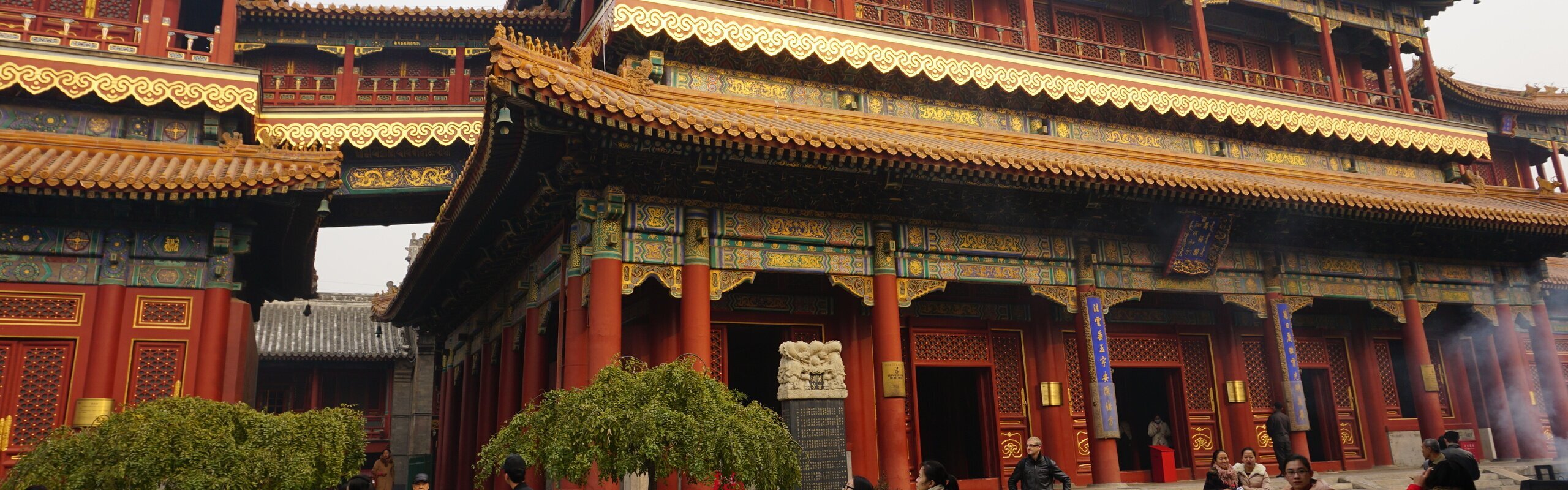

The Lama Temple, also known as the Yonghe Temple, is a famous Tibetan Buddhist temple outside Tibet. It is also a popular place of worship for locals.
Known for its history, architecture, and spiritual significance, it attracts many visitors both from home and abroad for its incense offerings and believed efficacy of prayers.
As a tour guide, I visit the Lama Temple dozens of times a year. Spring and autumn are my favorite seasons to visit due to the pleasant weather and blooming flowers.
Facts about the Lama Temple:
- Chinese name: 雍和宫
- Opening hours: 9am–4:30pm
- Ticket: 25 RMB
- Reservation: You could either make an advance reservation or purchase tickets on-site. It is recommended to book in advance during peak seasons — from April to October.
- Location: 12 Yonghegong Street, Dongcheng District, Beijing (approximately 5 kilometers (3 miles) from the Forbidden City)
- Recommended visit duration: 1–2 hours
- Built: 1694 during the early Qing Dynasty
Content Preview
- Things Not to Miss
- Best Times to Visit
- How to Get a Ticket
- Is It Worth Paying for the Audio Guide
- Is a Lama Temple Wheelchair Available
- How to Get to the Lama Temple
- Things Not to Do
- What to Do Around the Lama Temple
- The History of the Lama Temple
Things Not to Miss When Visiting the Lama Temple
Visiting the Lama Temple offers a glimpse into Tibetan Buddhism in China. Here are some highlights I personally especially like.
- 26-meter-tall Buddha statue: The Lama Temple features a Guinness World Records-holding, 26-meter (85-foot) Maitreya Buddha statue carved out of a single tree trunk of white sandalwood. When you see it, you would notice a detailed depiction of Buddha. The serene expression on Buddha's face exudes calmness and tranquility. It's an experience that I found truly memorable.
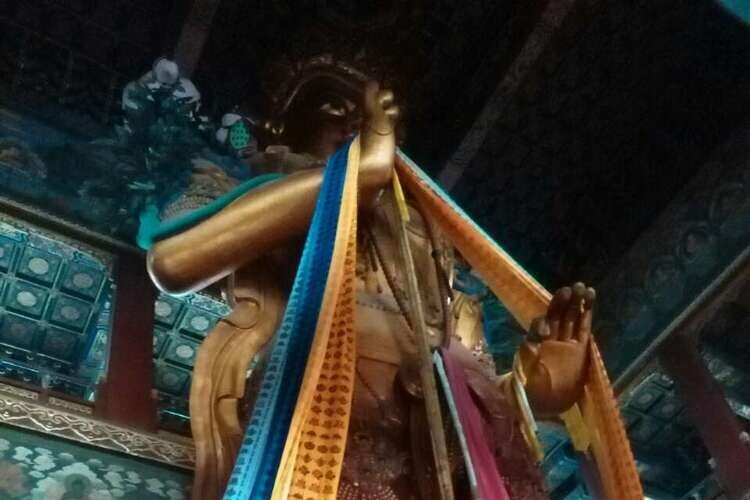 The Buddha statue
- Famous thangkas: The temple showcases vibrant Tibetan Buddhist thangkas, noted for their artistic and religious significance. They are often used in significant religious ceremonies. Thangkas from other places may differ in style, themes, and the specific deities or historical events they portray.
- Religious ceremonies: You could sometimes observe monks conducting religious ceremonies, such as chanting and praying, especially if you visit early in the morning from 9am to 10:30am.
- Architectural art: As I explore the Lama Temple, I am struck by its blend of Han and Tibetan architectural styles, intricate carvings, and splendid decorations that exemplify ancient Chinese architecture. The carvings inside the temple, including the dragon designs, demonstrate the skills of the craftsmen and have cultural and religious significance.
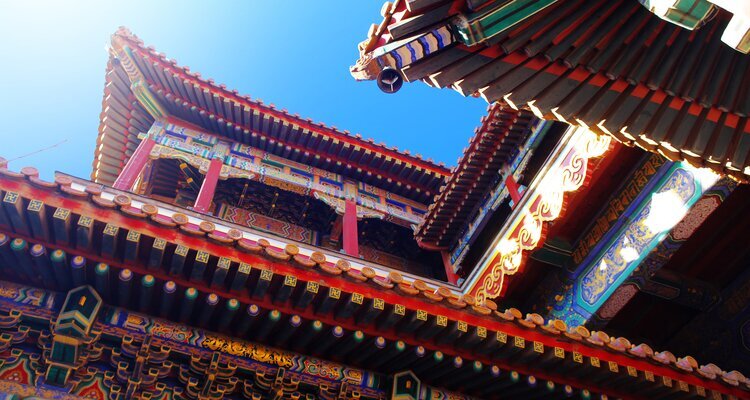 The intricate carvings, and splendid decorations that exemplify ancient Chinese architecture of Lama Temple
When Is the Best Time to Visit the Lama Temple?
The optimal times to visit the Lama Temple are during spring (March to May) and autumn (September to November) due to the mild weather, which is suitable for outdoor activities.
The average temperature is usually between 14°C and 26°C (57–79°F). These seasons coincide with various festivals and celebrations at the Lama Temple, providing you with an opportunity to learn about Tibetan Buddhist culture.
On the first and 15th days of the lunar month, the Lama Temple conducts additional religious activities and ceremonies, which draw many practitioners and tourists. The specific ceremony times are usually in the morning.
You could get more Beijing's weather information on our Best Times to Visit Beijing.
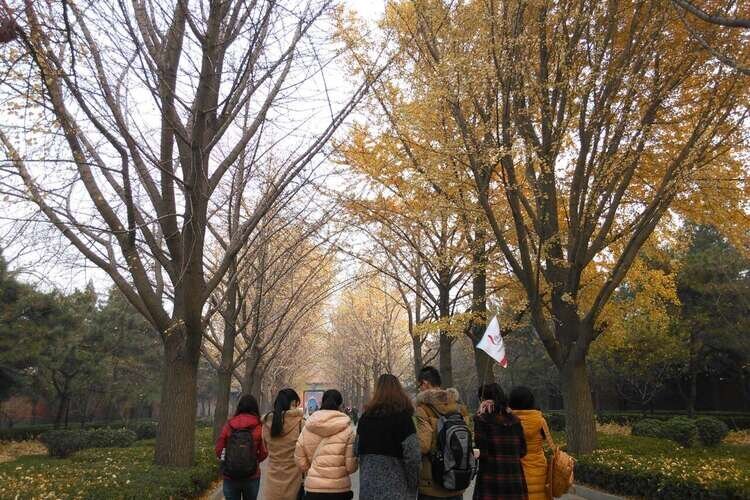 Yonghegong's Gingko Avenue in autumn
How to Get a Ticket for the Lama Temple
To obtain Lama Temple tickets, you have the following options:
- Book online: To avoid lengthy queues, consider booking through travel websites (trip.com) or the WeChat official account (雍和宫游客信众服务). This method is convenient and guarantees your reservation.
- Purchase on-site: Arrive early to minimize waiting time. While tickets are generally available, they may sell out during peak seasons, usually from April to October.
Both methods accept major credit cards and cash. Additionally, online platforms support mobile payments.
Recommended Beijing Tours:
Is It Worth Paying for the Audio Guide?
You could scan the QR code via WeChat or Alipay at the entrance if you visit the Lama Temple by yourself but only the Chinese language is available.
There are also live guided tours available in Chinese, English, and German next to the ticket office, but reservations are not accepted. The number of guides is limited and there is no guarantee that guided services would be available at all times.
For a more personalized and detailed experience, booking a private guided tour is recommended. A private guide could offer information on the history, architectural styles, and religious significance of the Lama Temple, covering all essential details.
They could also tailor the tour to your interests and schedule, including significant spots. Additionally, they are available to answer any questions, making your visit informative.
Is a Lama Temple Wheelchair Available?
The Lama Temple management office provides wheelchairs free of charge. Reservations could be made through the official website (only in Chinese) or by calling the management office (010-84191906), with a deposit of 300 RMB required on-site.
Most main areas are accessible but there are some steps here and there. Wheelchair users need to get on and off the wheelchair. It is suggested to communicate with guides in advance to ensure a smooth visit.
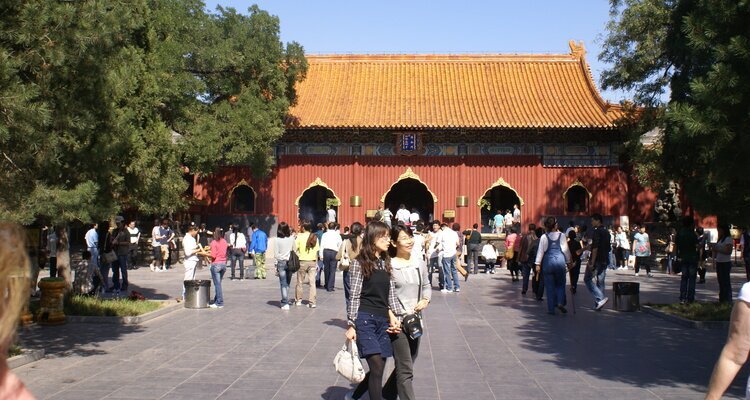 The road at Lama Temple is smooth and wheelchair accessible.
How to Get to the Lama Temple
The Lama Temple could be reached by public transportation. The subway provides access to Yonghegong Lama Temple Station (Line 2 or Line 5). From the station, it is a 5-minute walk to the temple entrance.
If you choose to take a taxi or a private car, the surrounding traffic is usually congested. Please plan your trip in advance.
Things Not to Do in the Lama Temple
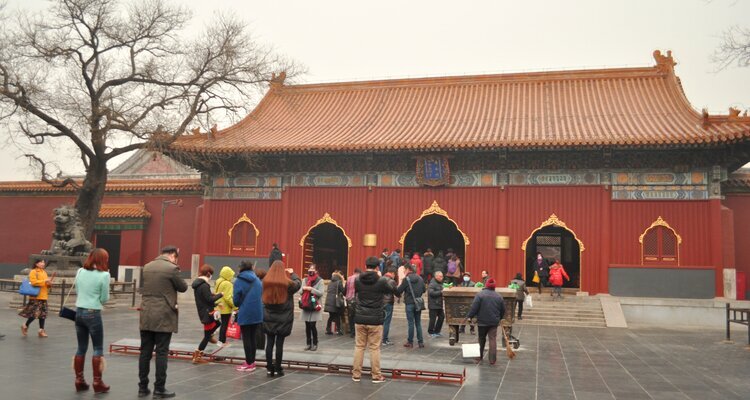 People are burning incense and worshipping Buddha in front of the hall within the temple.
- Dress code: Dress appropriately and avoid wearing revealing clothing. It is recommended to wear long pants and tops with sleeves to show respect for the religious site.
- Burning incense: Follow the temple's regulations when burning incense. Generally, light only three sticks of incense at a time. The appropriate places to insert incense are the designated incense burners located at the entrance of each hall within the temple.
- Photography: Photography is prohibited in many areas within the temple, especially inside the main halls. Pay attention to the signs within the temple and adhere to the photography rules. In areas where photography is allowed, avoid using a flash to prevent disturbing others.
- Touching: Do not touch the statues, offerings, or other religious items as these items hold significant religious meaning and touching them may be considered disrespectful.
- Behavior: Maintain silence within the temple and avoid loud talking or playing around. Respect the ongoing religious activities and the experience of other visitors.
- Etiquette: When entering the main halls, it is customary to remove your hat and sunglasses and remain solemn.
What to Do Around the Lama Temple
Confucius Temple and Guozijian
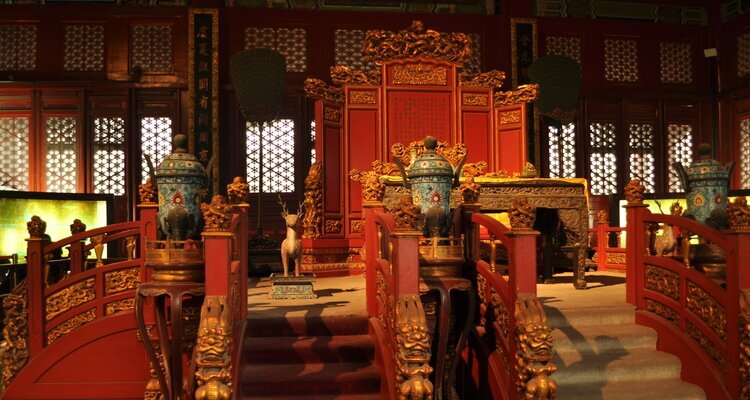 The inside of Guozijian's hall
From the Yonghe Temple to the Confucius Temple and Guozijian, it is approximately a 5-minute walk.
The Confucius Temple honors Confucius with cultural relics and ancient buildings, such as the Hall of Great Accomplishment.
Guozijian was a top educational institution in ancient China, known for its strict system and distinguished teachers. Every detail there is filled with stories and history, making it well worth a visit.
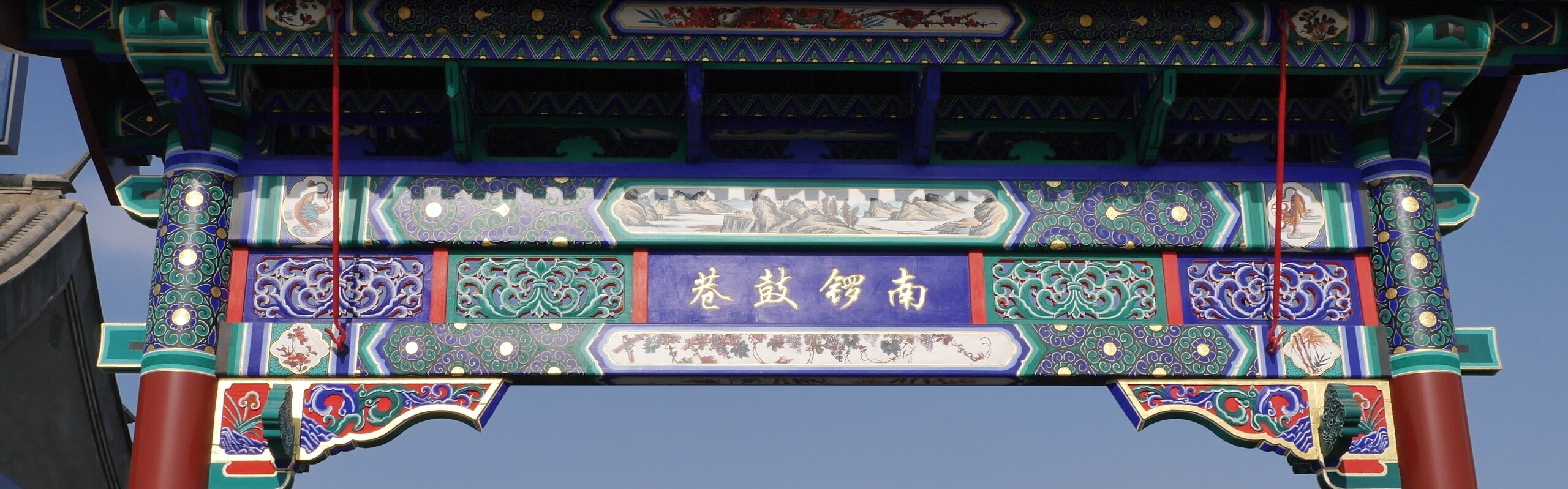
Nanluoguxiang
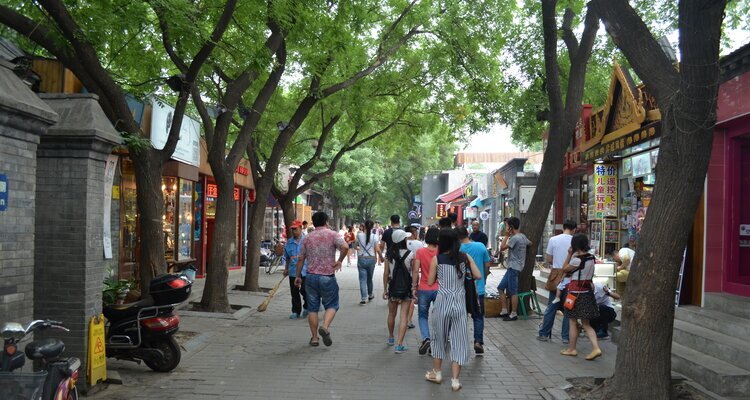 Nanluoguxiang
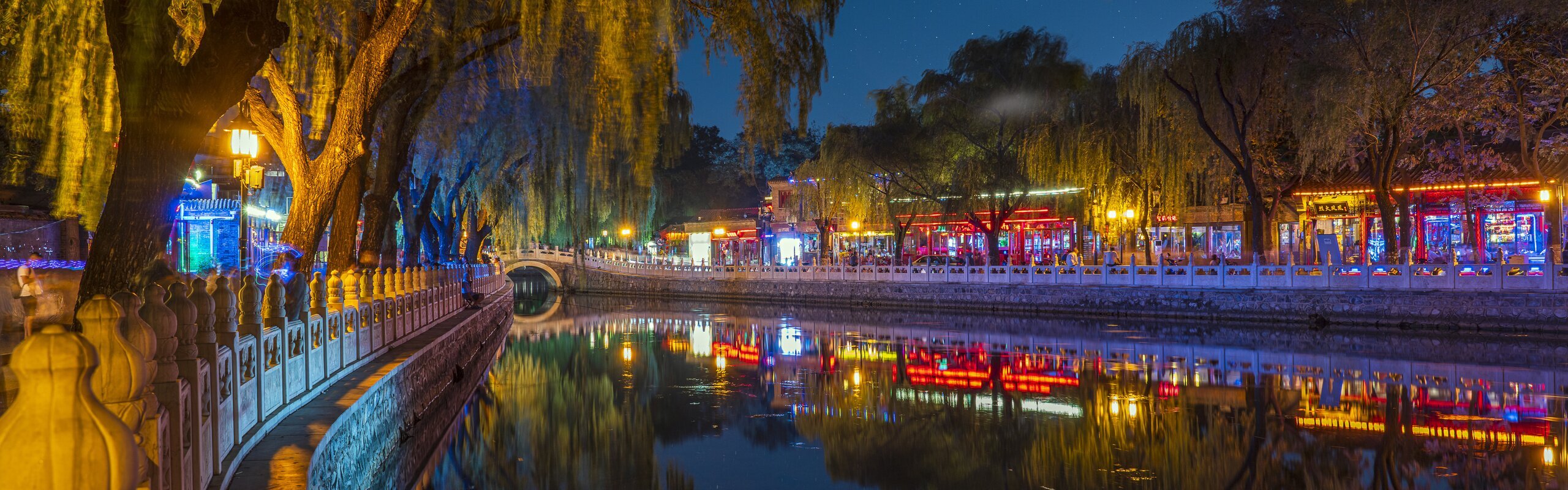
It is about 2.5 km (1.5 miles) from the Yonghe Temple to Nanluoguxiang, and it takes about 5 minutes by car.
This is an ancient alley with old Beijing shops, teahouses, pastry shops, and handicraft stores. I and my previous guests really enjoy Nanluoguxiang.
It's famous for its unique hutong culture and historic buildings. There are many specialty shops, cafés, and restaurants where you could experience the rich Beijing atmosphere.
Drum Tower
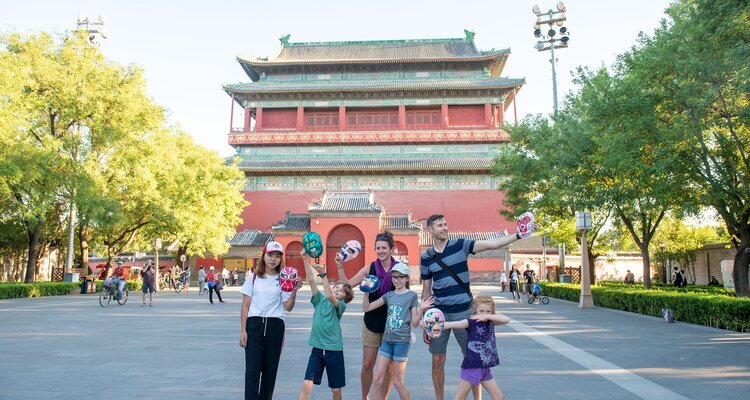 Drum Tower
It is about 10 minutes by car from the Lama Temple to the Drum Tower.
Constructed in 1272, this Ming and Qing dynasty structure is 47.9 meters (157 feet) tall and contains historical relics and artworks.
Compared with other drum towers in China, Beijing's Drum Tower features an ancient copper water clock, known for its precision and engineering. It sits on Beijing's central axis, holding historical and cultural significance.
The History of the Lama Temple
The Lama Temple was built in 1694 during the early Qing Dynasty as the Royal Court of Prince Yinzhen.
When Prince Yinzhen became the Yongzheng Emperor in 1722, as he was obsessed with Tibetan Buddhism from an early age, he ordered half of his Royal Court be turned into a house of the Gelug Sect of Tibetan Buddhism.
In 1725, the remaining half of his Royal Court burnt down unexpectedly, so the house of the Gelug Sect that was left was appointed as an imperial palace outside the Forbidden City, and it was named the Palace of Eternal Peace (Yonghe Gong).
After the death of the Yongzheng Emperor, the Qianlong Emperor ordered the reconstruction of Yonghe Gong in memory of his father, the Yongzheng Emperor.
In 1744, Yonghe Gong was converted into an official Tibetan Buddhist temple (the Lama Temple) and became the Beijing office of Tibetan Buddhist affairs, run by the Qing government.