Hokkaido in Summer 2026/2027: Weather, Things to do, & Tips
I share Japan as I actually travel it.
I spent 8 days traveling around Hokkaido in early September, and what surprised me most was its nature-filled, relaxed vibe. It felt so different from other popular cities in Japan.
Summer (June to August) is a great time to explore Hokkaido's flower fields, open countryside, and local food scene. But when you go makes a difference, especially if seeing lavender is high on your list.
In this article, I’ll share what I learned from my trip, including the things you shouldn’t miss, the best times to visit, and how to get around, along with travel tips I wish I had known before my trip, helping you plan a better journey.
What Makes Summer in Hokkaido Different?
Hokkaido’s cooler weather, countryside scenery, relaxed pace of everyday life, and local food here make a certain kind of trip easy.
Cooler Days, Open Landscapes, and Time Outdoors
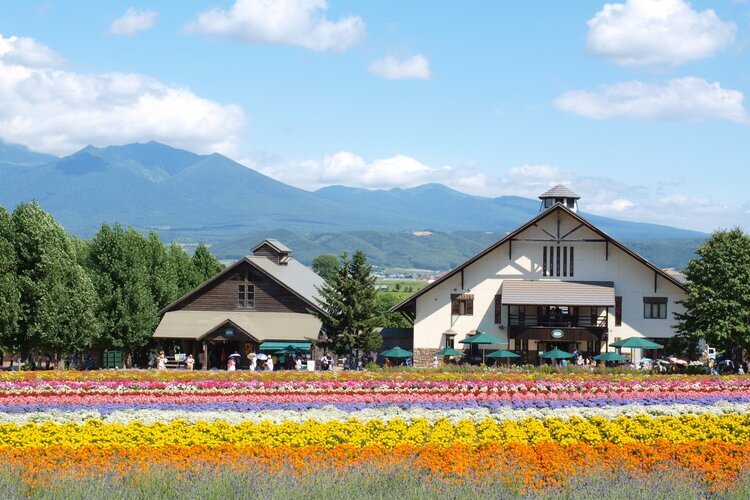 Flower fields in Furano in summer
Summer in Hokkaido is more comfortable than in Tokyo, Kyoto, or Osaka. It's less humid, and mornings and evenings are cooler. Hokkaido is also less affected by Japan's rainy season, although you may still get some summer showers.
Before my trip, I thought Hokkaido would be cool all summer. But that wasn’t quite true. Days could get hot, especially when walking in the sun. The good thing was, I didn't sweat nearly as much as I did in Tokyo or Kyoto.
What the weather does reliably give you is time outdoors. Wide skies, long daylight, and landscapes open enough to see the next hill from where you're standing mean walking and cycling here feel different from doing the same thing in a crowded city.
What to pack: T-shirts were enough for most days, plus one light long-sleeved shirt for cooler mornings and evenings. And don't forget sunscreen - even when it feels cool, the sun can be strong.
Flower Fields Are Just One Part of the Summer Experience
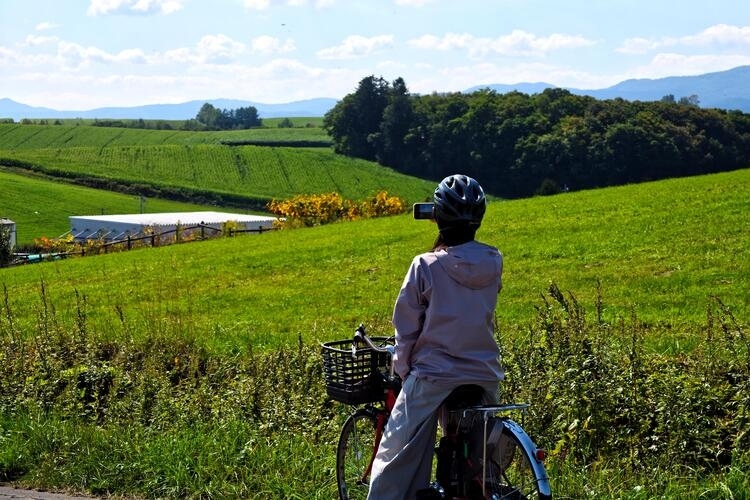
Lavender is a good reason to come to Hokkaido, but it shouldn't be the only thing on your list. The parts of the trip that stayed with me happened away from the flowers, in two experiences that both come down to the same thing: what this land produces.
The first is an e-bike ride through Biei's countryside, which takes about 1.5 hours. Here the scenery stops being a backdrop: volcanic-ash hills and crop rotation make those colours, and lunch comes from the fields I just rode through.
The second is the Sapporo food tour, covering Hokkaido's three pillars: sea urchin and grilled crab, miso ramen, and a dairy parfait. Every stop answers the same question: why is the food here so good?
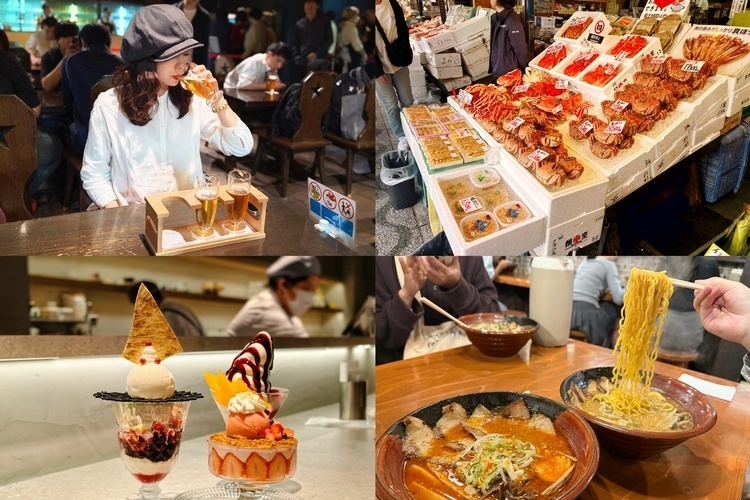
Plan Around Regions, Not a Long List of Attractions
This is the part that most affects how your trip actually feels. Hokkaido is big, and its highlights are spread out. A long list of attractions sounds efficient on paper; in reality, it usually means several hours of driving per day and a lot of evenings spent recovering instead of exploring.
For a summer trip, I'd focus on Sapporo and the Furano-Biei area, then add one or two places that sit naturally on the way. Places farther east, like Kushiro and Shiretoko, take much longer to reach.
Furano and Biei: Spend Time in the Countryside
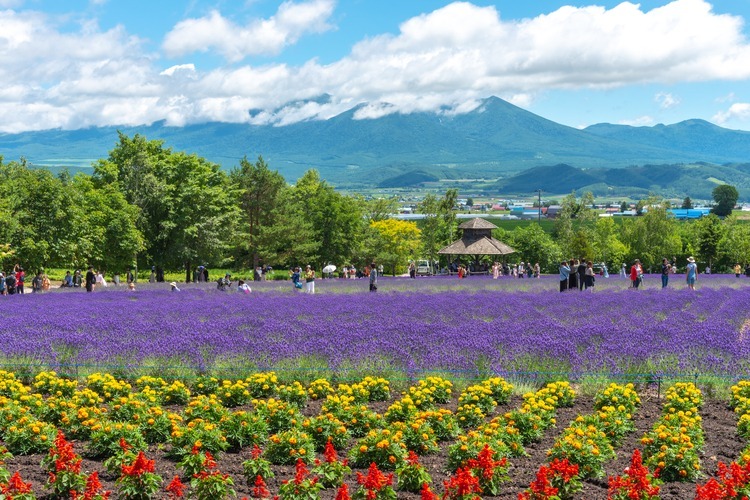
Furano and Biei are must-visits to experience the best of summer in Hokkaido! They sit close together in central Hokkaido and share the same character: flower fields, working farms, and wide-open countryside.
Farm Tomita and Shikisai-no-Oka were two of my favorite stops, and better than I expected. I thought I'd just be looking at flowers, but there was much more to enjoy.
Farm Tomita is famous for its lavender fields, which look their best in July. You can shop for lavender products, try lavender ice cream, and see how lavender perfume is made.
My favorite moment was sitting in the second-floor restaurant, enjoying lavender ice cream while looking out over the flower fields. It was such a relaxing way to take in the scenery.
Shikisai-no-Oka is the biggest highlight in Biei, with colorful flower fields spreading across rolling hills, creating a more layered view.
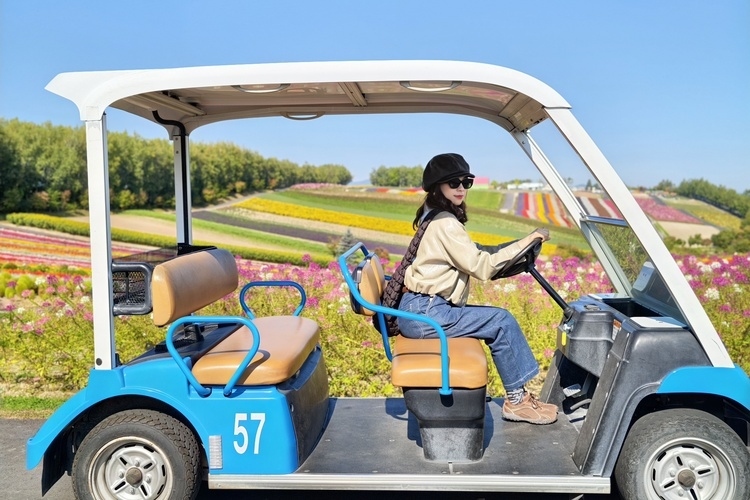
One fun way to explore is by tractor. If you're traveling with two to four people, you can drive your own tractor through the fields and stop whenever you spot a view you like. Don’t want to drive? You can also ride a larger tractor driven by a staff member.
I suggest making them your first stops of the day, on separate days, and arriving around 8–9 AM, before the crowds arrive.
This way, you'll have a better chance of taking photos without too many people in the background. Also, you can visit both early in the day without rushing between them, and take your time enjoying the scenery.
Sapporo and Otaru: Add City Life and Local Food
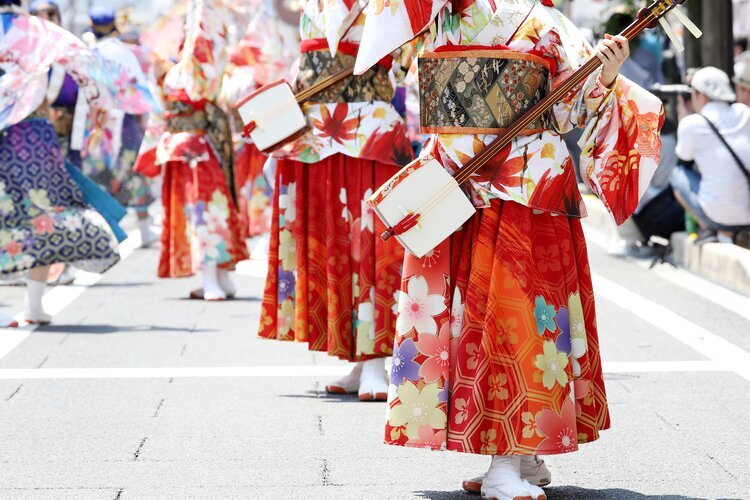
After spending time in Hokkaido's flower fields and countryside, I enjoyed seeing a different side of the region in Sapporo. It's a good place to try local food, explore the city, and join summer events with locals.
My top recommendation is the Odori Beer Garden, which usually runs from late July to mid-August. You can try beers from Hokkaido and around the world, grab some local food, and enjoy the summer buzz with the locals.
If you visit in mid-August, don't miss the traditional Obon events either: colourful festival floats, traditional performances, and even dancing along with locals in yukata.
Have more time for a richer trip? I did Otaru as an easy day trip from Sapporo. It's a romantic small city known for glass-making, which you can try yourself.
Lake Toya and Noboribetsu: A Landscape Made by Volcanoes
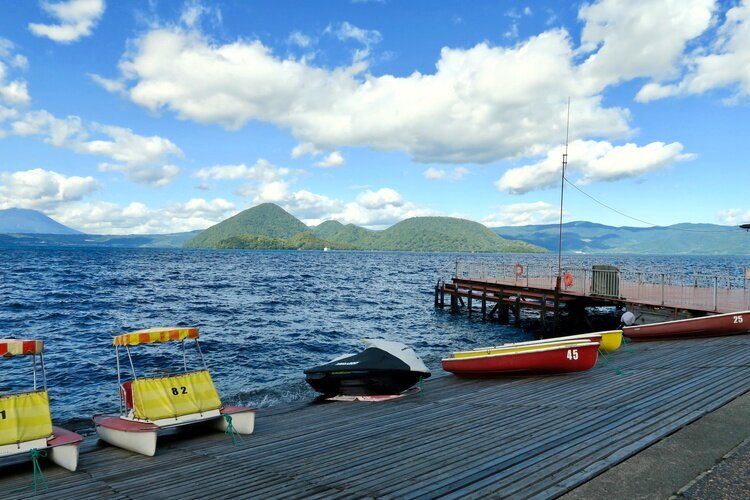 Enjoy water fun in Lake Toya
Noboribetsu and Lake Toya are neighbours, and both are here for the same reason: this whole area was shaped by volcanic activity. But the two feel completely different. Noboribetsu is about feeling the heat, while Lake Toya is a volcanic lake built for getting outside.
Noboribetsu's biggest highlight is Jigokudani, or 'Hell Valley' — a live volcanic crater of steaming vents, sulphurous streams and bare rock. The geothermal activity here is so rich that almost every hotel has its own onsen, so whatever else you do, don't miss a soak.
Lake Toya is a volcanic lake, and the whole point is to be outside. You can take a boat tour across the water or paddle a kayak right out onto the lake.
No matter where you want to explore in Hokkaido, we can help make your dream trip happen! Just share your preferences, and our Japan travel advisors will handle everything to make your trip smooth and stress-free.
When to Visit: Match Your Trip to the Season, Not Just Peak Bloom
Timing is the question I get asked most, and it's usually framed as 'when is the lavender at its best?' That's the wrong starting point. A better one: what do you want this trip to feel like, and how much flexibility do you have? Then let the season narrow your dates rather than decide them.
Mid-July for Lavender, with Other Flowers Across the Season
Summer runs from June to August, and the weather and things to do vary between those months:
| Month | Weather & Highlights |
|---|---|
| June | Cool days, flowers start blooming, lavender begins blooming in late June, fewer crowds |
| July | Warmer days, peak lavender season, more crowds |
| August | Warm weather, lavender season ends by late August, more summer festivals, fewer travelers toward the end of the month |
If seeing lavender is your priority, aim for mid-July to early August, when it is usually at its best.
What If You Visit Before or After Peak Bloom?
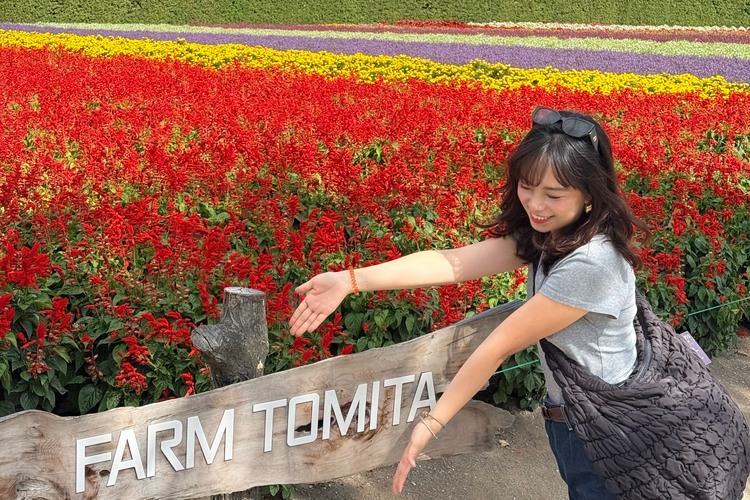
You lose very little. If seeing lavender isn't your top priority, going after the peak bloom is totally fine. I went in early September, and the lavender had already been harvested. But there were still plenty of other flowers, and the whole experience still felt wonderful.
With fewer people around, we could take our time and enjoy the fields at a relaxed pace. And if you'd rather come before the crowds, June is a good pick too, when the flowers are just starting then.
Leave Room for Weather Changes
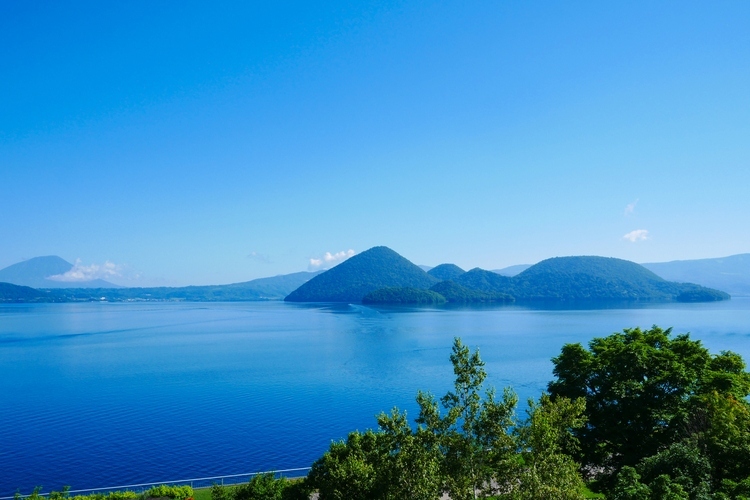
The weather can change what a place gives you in summer. I learned this at Lake Toya. If it's foggy or rainy, you might not see Mount Yotei or even the lake itself. Then the whole stop looks nothing like the photos.
So my tip is to keep your plans flexible. Have one thing each day you can move or change: a market visit, a long lunch, a hot-spring afternoon. Having a backup you'd genuinely enjoy means a rainy morning costs you a view, not a whole day.
Plan a Summer Hokkaido Journey That Fits Your Pace
I spent 8 days in Hokkaido this summer, and honestly, I think it was just right. I had enough time to enjoy the best of summer in Hokkaido without rushing from place to place.
My route was Sapporo → Furano → Biei → Noboribetsu → Lake Toya → back to Sapporo, with one extra day to visit nearby Otaru. If you’re planning to visit these places too, you can follow a similar route.
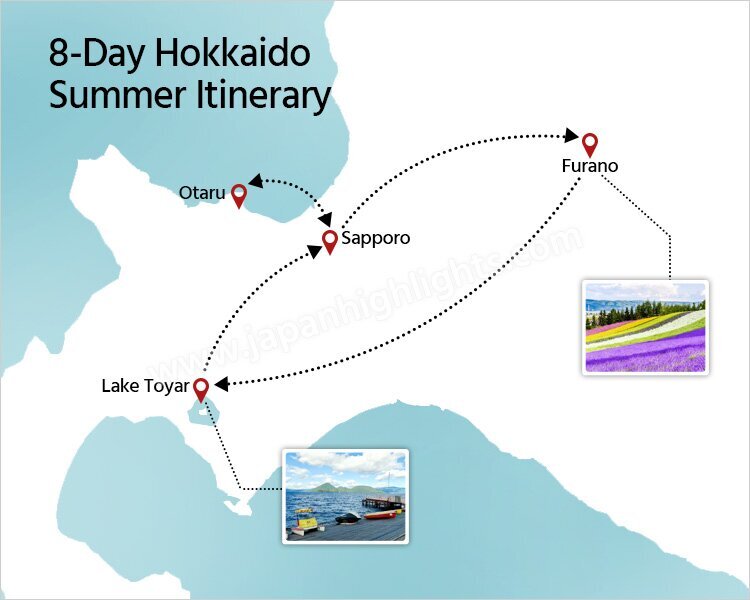
This route makes sense because you can travel from one place to the next without having to backtrack. Plus, you won’t have to change hotels too often.
Here is my itinerary for your inspiration:
- Day 1: Arrive in Sapporo
- Days 2-3: Furano and Biei (Farm Tomita, try lavender ice cream, Shikisai-no-Oka)
- Day 4: Noboribetsu (Noboribetsu Jigokudani, Noboribetsu Date Jidaimura)
- Day 5: Lake Toya (Mount Usu, take a boat ride, relax in an onsen)
- Days 6-7: Sapporo and day trip to Otaru (Nijo Market, Tanukikoji Shopping Street, glass-making)
- Day 8: Depart from Sapporo
Getting Around Hokkaido Without Losing Your Day
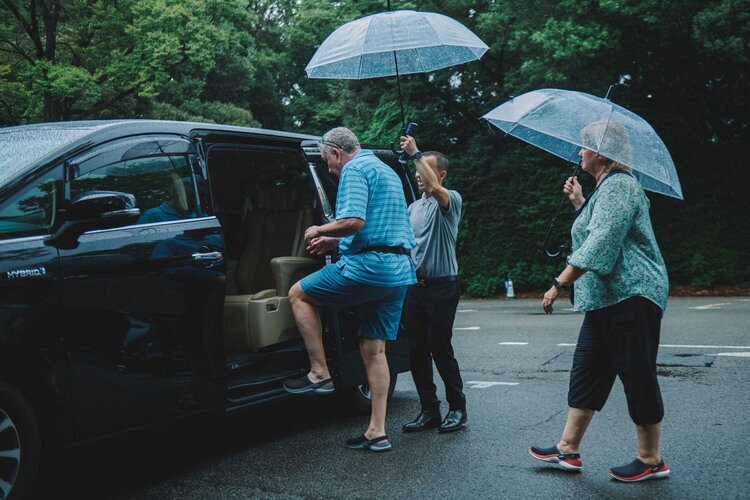 Our clients are traveling with our private car service
After traveling around Hokkaido, I’d say the easiest way to get around is by private car with a local driver.
Hokkaido's cities are quite spread out. Although trains connect major destinations like Sapporo, Hakodate, and Furano, they don’t run very often, and journeys can take longer than driving. Some cities can even only be reached from certain train stations, which can be inconvenient.
Buses can be tricky, too. Many attractions in Hokkaido are far apart, so if you rely on buses, you'll spend a lot of time traveling between places. During the peak flower season, you may even have to wait 1-2 hours for the next bus if you miss one.
You might also consider renting a car, but I wouldn’t recommend it. If you’re used to driving on the right, it can take some time to adjust to driving on the left in Japan. In that case, driving on unfamiliar roads can also be unsafe.
That’s why I’d recommend using a private car. You can go straight to attractions and hotels, enjoy the air conditioning on hot summer days, and spend more time exploring instead of worrying about how to get around. You’ll also have more flexibility to change your plans along the way.
If you book with us, we'll handle all your transportation so you can make the most of your visit.
Let's Tailor Your Hokkaido Summer Trip Now!
 Our clients in Japan
Unsure where to start planning your Hokkaido trip? We can help with everything, from hotels and transportation to itineraries and more. Contact us today, and let's plan your trip together!