
Jingmai Mountain is located in Pu'er, a southwest region of Yunnan, and adjacent to Xishuangbanna. It was the only attraction taking tea as the theme on the UNESCO World Heritage List, and it is also one of the best tea mountains in China.
Unlike most renovated old towns with similar food options and crowds of tourists, Jingmai Mountain offers you a secluded, authentic, and simple vibe. It's suitable for families or couples spending 2–3 days exploring the ancient tea forest, sea of clouds, sunrise/sunset, ancient villages, and local minorities.
Content Preview
Top Places to Visit on Jingmai Mountain
Tea forests and ancient villages are the highlights of Jingmai Mountain but not all are worth visiting. Based on our travel experience, we'll share several must-visit spots with you.
Ancient Tea Forests: Meet the Thousand-Year-Old Tea Trees
Jingmai Mountain has many tea gardens but the must-visit one is Dapingzhang Old Tea Forest, which is the only ancient tea forest open to visitors. There, you would find tall and thousand-year-old tea trees, different from those short tea plants in regular gardens.
You could take a gentle 1-hour hike (2–3 km / 1–2 miles) to get up close to these ancient tea trees, explore the Tea Horse Road site, and take photos with the holy tea trees (over 1,800 years old).
While you could not pick tea in the ancient tea forests, you could head to local tea gardens during the tea-picking season in March and April.
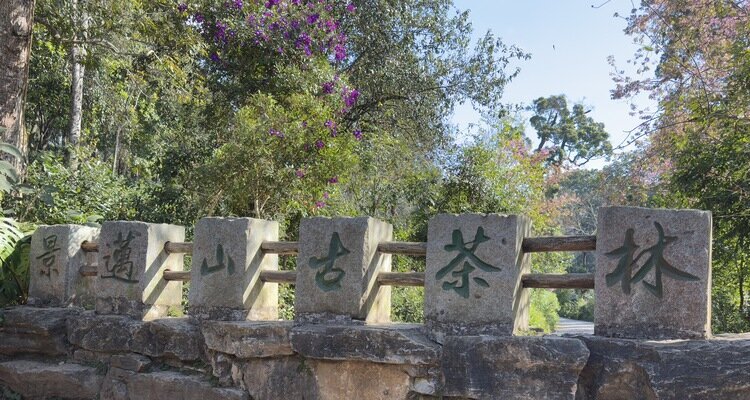 Trek in tranquil ancient tea forests
Ancient Villages on Jingmai Mountain
| Village Names | Features | Time Needed | Suitable For |
|---|---|---|---|
| Nuogan Village |
|
2–3 hours | Ethnic culture explorers |
| Wengji Village |
|
2–3 hours | |
| Mangjing Village |
|
1 hour | Scenery lovers |
| Manghong Village |
|
1 hour | |
| Jingmai Grand Village |
|
1 hour |
Nuogan Village: Most Authentic and Pure
Nuogan is the most traditional Dai village. It's authentic, photogenic, and full of local life. We love it the most as there are no modern distractions and decorations, just a pure vibe and great food for you to explore.
As you stroll around the village, you might be invited by hospitable locals to their homes for a free cup of tea and a friendly chat.
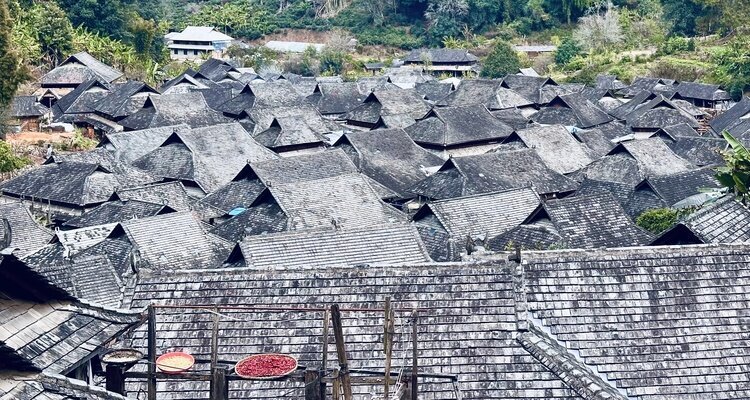 Authentic Nuogan Ancient Village
Wengji Village: Best for Ethnic Photography
It's a large Bulang ethnic minority village with a mix of modern and traditional vibes. You could find restaurants and cafés there, and even rent ethnic clothes for photos recreating Angelababy's magazine looks.
The viewing platform on the right of the village is great for capturing a sunset and clouds or enjoying a panoramic view of the whole village.
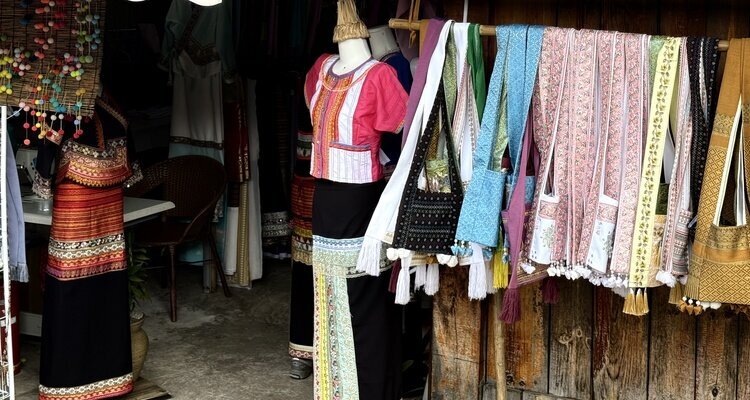 Try on Bulang or Dai costumes to take photos
Mangjing Village: Splendid Sunset and Wonderful Trees
As the highest village on Jingmai Mountain, Mangjing is particularly best for viewing the sea of clouds and a sunset. Hiking around the village takes about 1 hour.
It is also known for two iconic trees. One is a huge banyan tree arching over a road and the other is a large tree with over 70 honeycombs. During the honey-making season (May), you could even see honey dripping.
Manghong Village: the Octagonal Pagoda and Best Sunrise
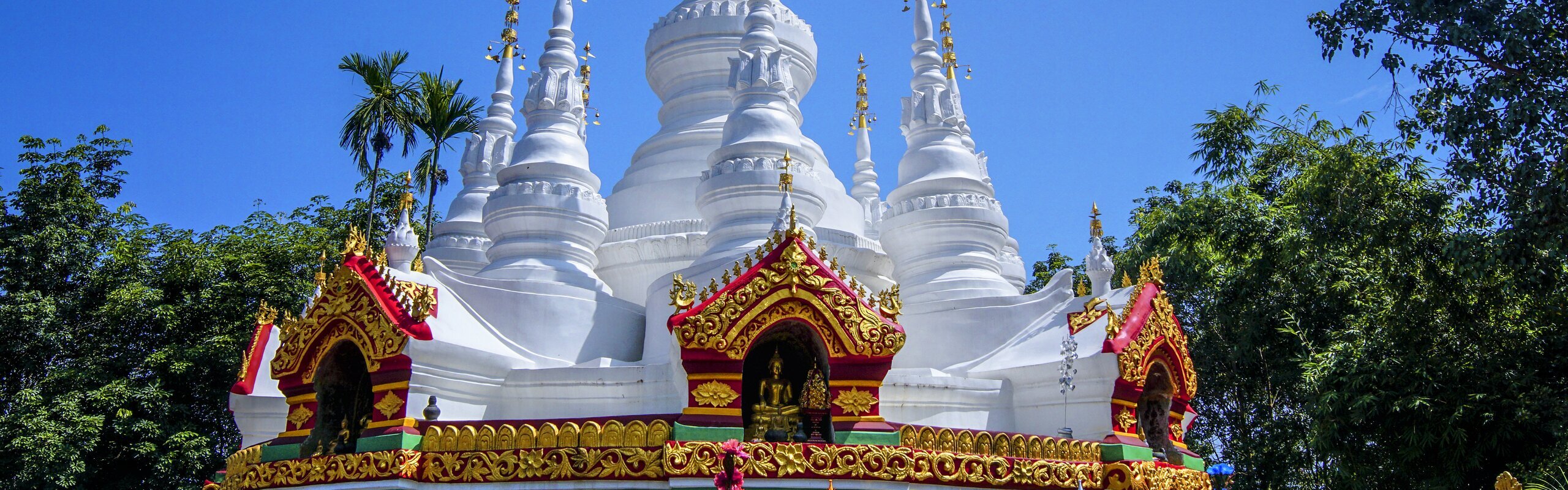
Manghong is the perfect spot to witness a sunrise and you could also admire a sunset and the sea of clouds there. The Octagonal Pagoda is its iconic landmark, where you could even witness the sunrise and sea of clouds appearing together.
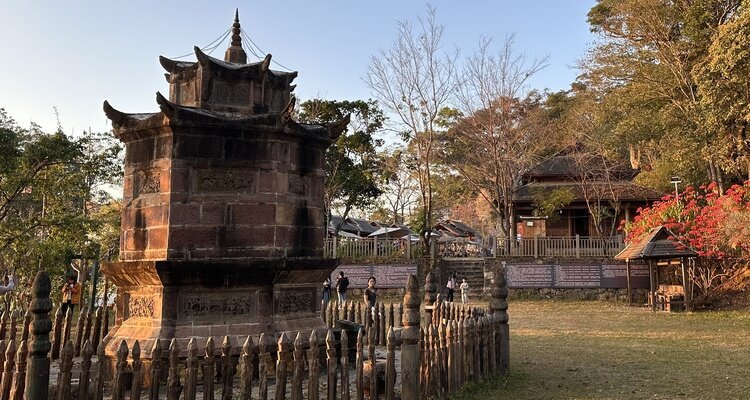 Unique Octagonal Pagoda in Manghong
Jingmai Grand Village: Sip Coffee Beside the Sea of Clouds
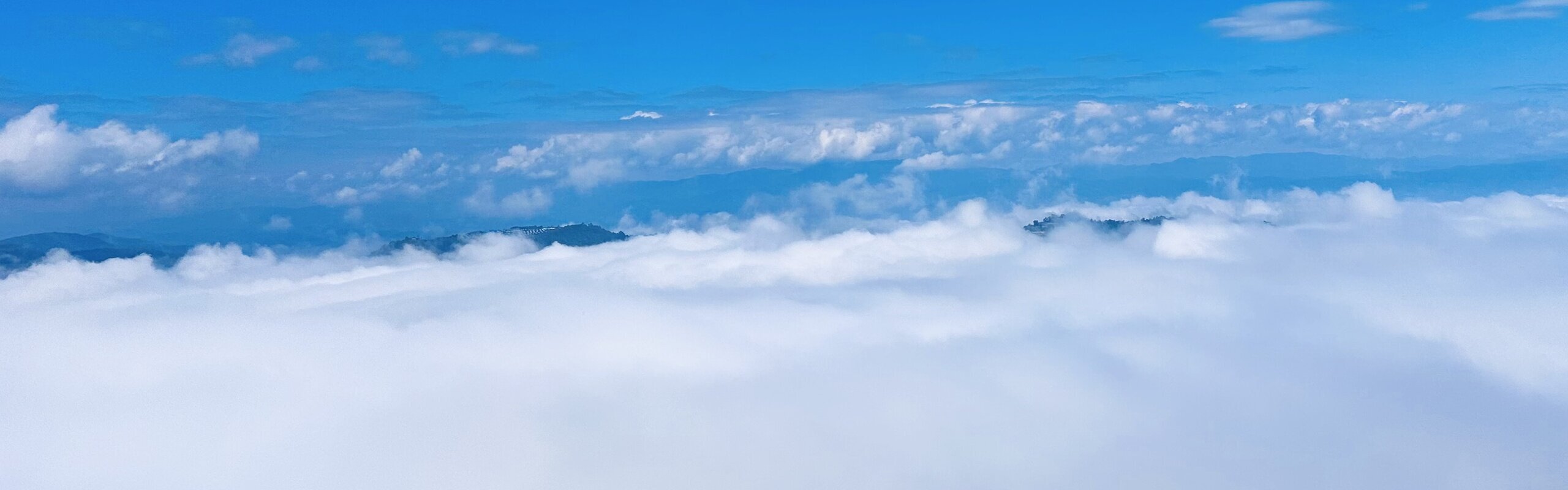
Not to overstate it, but you could see the sea of clouds on Jingmai Mountain for about half of the year. The viewing platform in Jingmai Grand Village offers a unique sea of clouds viewing experience.
The view from the platform is expansive and with a café there, you could enjoy savoring a cup of tea or coffee on the edge of the rolling clouds. In addition, the nearby Golden Pagoda is also ideal for photos even without the sea of clouds.
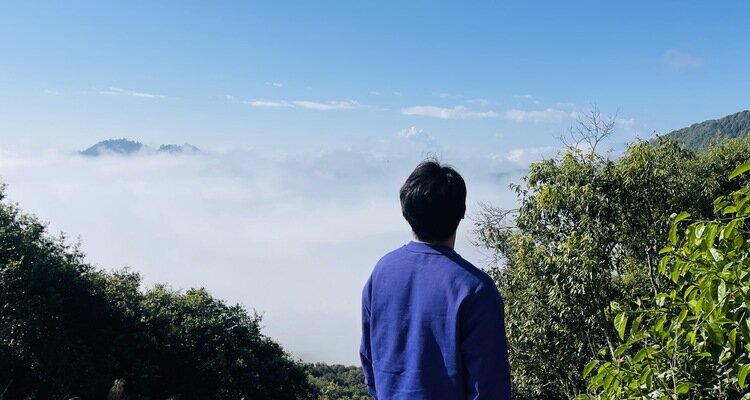 We captured the cloud sea in Jingmai Grand Village
Tip: The sea of clouds may not appear in all of the villages at the same time. For example, we finally saw it in Jingmai Grand Village on the morning of the second day. You could wander around the village, the Golden Pagoda, or Wengji, as they are close to each other.
How Do I Get to Jingmai Mountain?
Jingmai Mountain is conveniently reached from Pu'er or Xishuangbanna. Both cars and direct buses are available, taking about 3–3½ hours.
If you travel from Singapore, you could fly to Kunming and then transfer to Pu'er or Xishuangbanna on a bullet train as there are no direct flights to these destinations.
Transportation on Jingmai Mountain
Chartering a car or self-driving is the most convenient way to visit Jingmai Mountain.
However, we recommend chartering a car as there are narrow mountainous roads with stones, making self-driving challenging and more likely to cause carsickness.
What Are the Best Times to Visit Jingmai Mountain?
Best Time: Winter for the Sea of Clouds and Cherry Blossoms
Winter, from December to January, is the best time to visit. It is the peak season for the sea of clouds and winter cherry blossoms. The daytime temperature is typically above 20°C (68°F), but it is cold in the evening (10°C/50°F), so you still need to take a warm coat.
In addition, even though it is the peak season, Jingmai Mountain still sees fewer visitors compared to other popular tourist cities, so you could still enjoy a tranquil and beautiful experience.
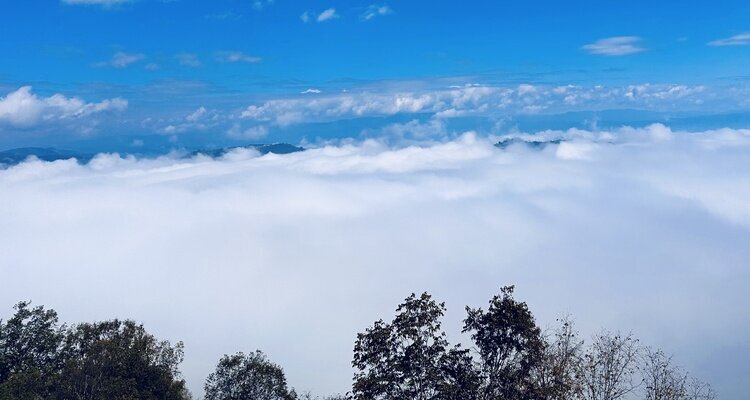 Stunning winter cloud sea
Off-Seasons: Spring, Summer, and Autumn
Spring, from March to April, is best for spring tea picking. You could experience tea picking in March, while tea drying, tea cake-making, and the Shankang Festival (a sacrifice to the tea ancestor) could be experienced in April.
Summer (June to August) is the best season to see sunrises, flaming sunsets, and starry nights with the Milky Way. It is cool (19–28°C/66–82°F) to escape from the summer heat, but also experiences frequent showers and mountain fog that would hinder your viewing capabilities.
Autumn (September to November) offers more clear days. It is the season for autumn tea picking and you could smell the fragrant tea flowers, while November is also perfect for viewing the sea of clouds.
How to Choose the Accommodation
Wengji Village is the top accommodation spot with mature and great facilities. You could find more boutique/high-end hotels there as well as lively cafés and restaurants. With a relatively central location, it is also convenient to visit other attractions.
Alternatively, Manghong Village is quieter and great for those who want to witness a sunrise. There are more inns around the Octagonal Pagoda, making it convenient to view the sea of clouds and a sunrise.
If you prefer a local and authentic vibe, consider Nuogan Village. It is also tranquil and you could even enjoy local meals with the hosts and their families, but most guesthouses there have traditional wooden styles.
Tips for Accommodation on Jingmai Mountain
During the sea of clouds season (November to February), the demand for accommodation is high, and mid-to-high-end hotels with limited viewing rooms may be booked up quickly, so it is better to book in advance.
For a relaxing getaway with a flexible budget, you could consider the Bolian Resort & Spa Jingmai (3,500+ CNY / 500+ USD), which offers spa services, a Pu'er tea cake-making experience, and Bulang music performances.
Alternatively, if you want to experience local life, stay at the ordinary inns run by villagers. The owners may even invite you to share meals or play you a tune, making you feel like you belong there.
Price range reference:
- High-end: 1,500–3,000+ CNY / 214–429+ USD (Chinese and Western breakfast)
- Mid-range: 500–1,000 CNY / 71–143 USD (typically Chinese breakfast)
- Ordinary: 200–400 CNY / 29–57 USD (local flavor breakfast or not included)
How to Plan a Jingmai Mountain Trip
With fewer attractions, 2–3 days are enough to explore Jingmai Mountain.
A recommended 2-day route:
- Day 1: Jingmai Mountain arrival (from Pu'er or Xishuangbanna) → village hiking in Mangjing → sunset viewing in Manghong → stay overnight in Wengji Village
- Day 2: visit Wengji Village → ancient tea garden → the Golden Pagoda → Jingmai Grand Village → Nuogan Village → Jingmai Mountain departure
With this order, you could witness a sunset during the first day and the sea of clouds or a sunrise the following morning. Since it was not the tea-picking season when we went, 2 days were enough for our visit.
If you want to stay longer to immerse yourself in the calm vibe or experience tea picking and tea cake making, you could extend your trip to 3 days.
You could also combine your Jingmai Mountain trip with Xishuangbanna and Pu'er, spending about a week exploring southwest Yunnan, with 3 days in Xishuangbanna (a rainforest), 2 days in Pu'er (tea gardens and red pandas), and 2 days on Jingmai Mountain (ancient villages).
Tips for You While Visiting Jingmai Mountain
The food on Jingmai Mountain is mostly home-style farmhouse cuisine, prepared fresh and cooked to order, so the service might be a bit slow sometimes.
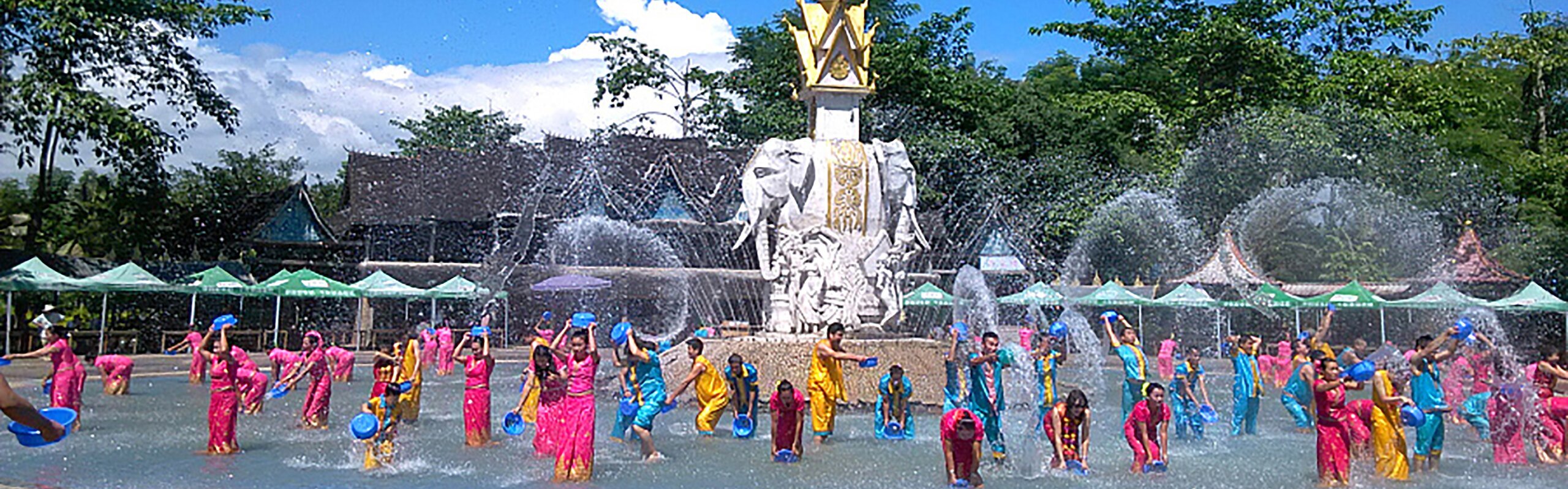
If you want to experience the lively festival atmosphere, you could visit during the Shankang Festival and the Water-Splashing Festival in April, the Closing Door Festival in July, the Opening Door Festival in October, the Harvest Festival and the Danfo (Buddhist) Festival in December, as well as the Chinese Spring Festival.
Jingmai Mountain is quite remote, so evenings are also quite tranquil and silent. You could seldom enjoy any night activities.