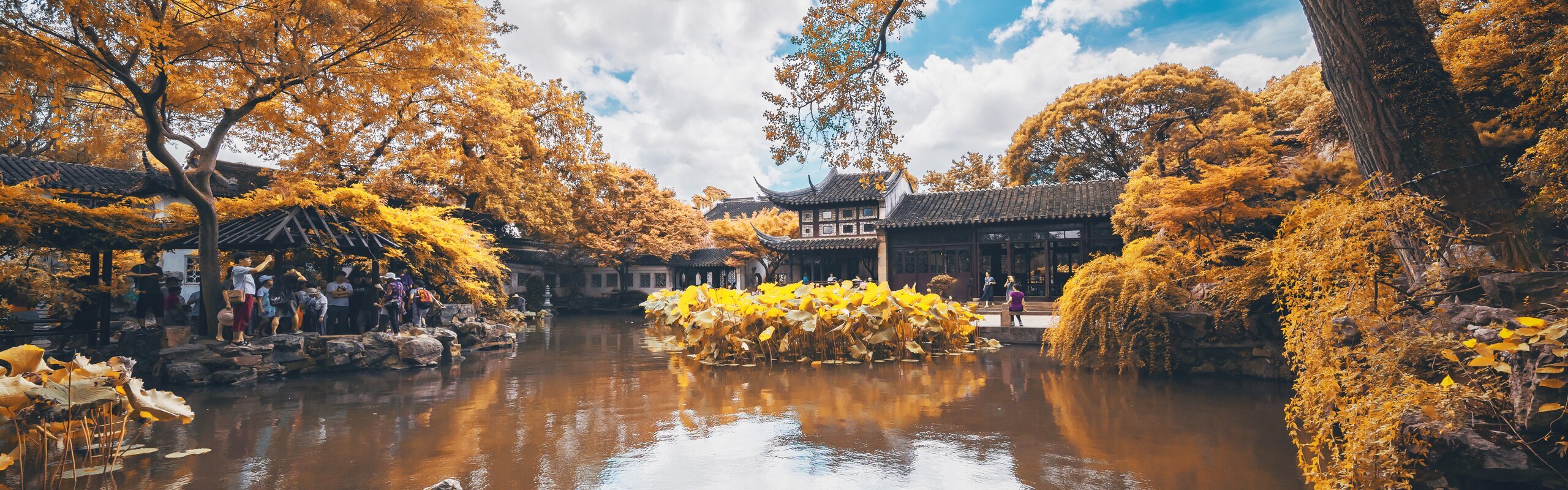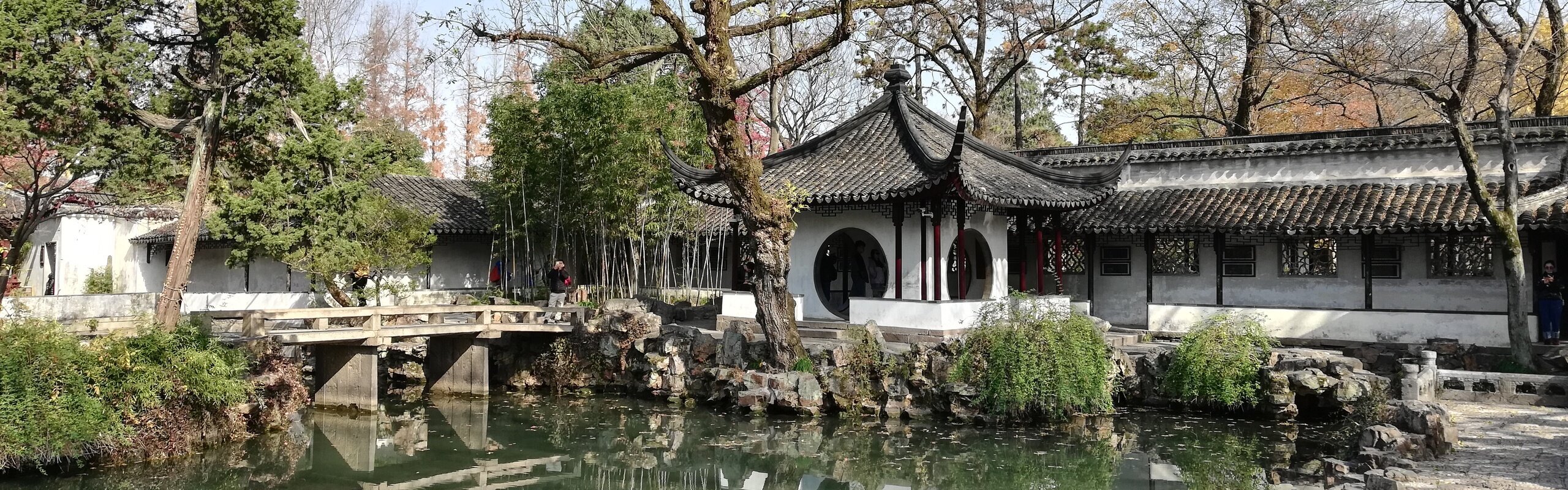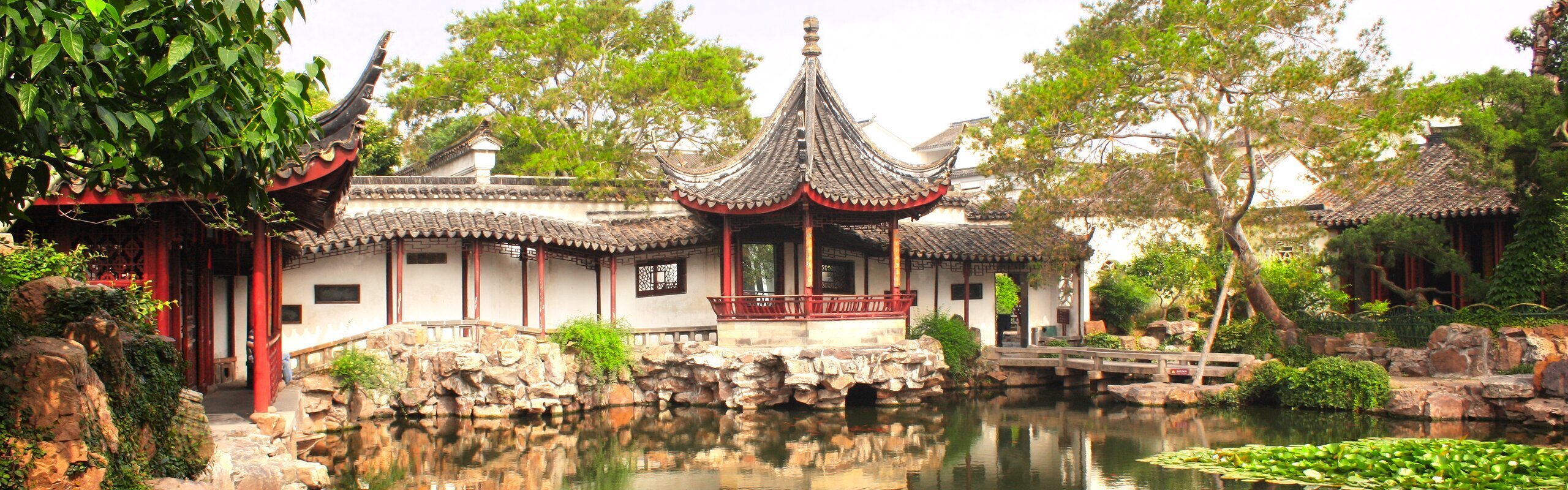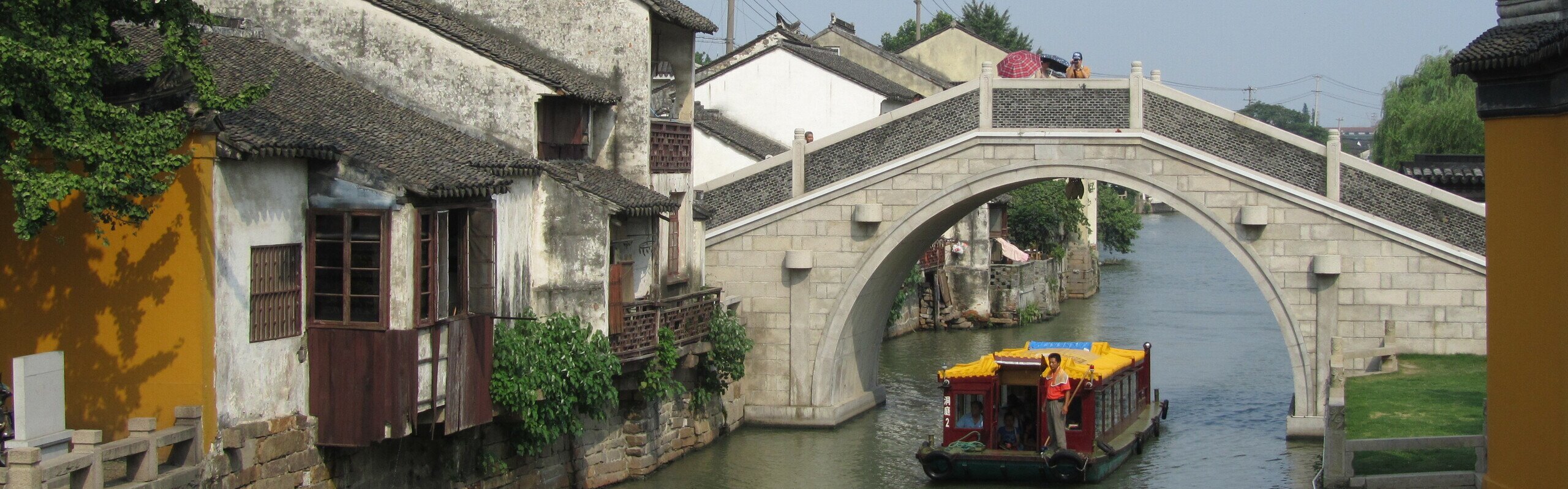

Built in the Song Dynasty (960–1279), Tongli Ancient Town is nestled to the east of Beijing–Hangzhou Grand Canal, by Taihu Lake, Wujiang District, Suzhou, 10 kilometers (6 miles) from Suzhou, and 80 kilometers (50 miles) from Shanghai.
It is one of the six famous ancient towns to the south of the Yangtze River along with Zhouzhuang, Yongzhi, Xitang, Wuzhen, and Nanxun. Hard to decide which one to visit? Here is an insider's guide to the top 8 Ancient Water Towns Near Shanghai.
- Chinese: 同里古镇Tónglǐ gǔzhèn /tong-lee goo-jnn/
- Area: 33 hectares
- Age: over 1,000 years old
- Must-sees: garden-style architectures, ancient bridges and streets
- Suited to: photography lovers, lovers of Chinese architecture and culture of all ages
- Time needed: one day
- Entry: 100 yuan
Tongli is famous all over the world as a water town to the south of the Yangtze River. Its rivers, streets, bridges, civil residences, and gardens are integrated perfectly as one, earning it the name of "the Oriental Venice" due to its unique water town scenery
Tongli has been open to the public since 1986, and the architectures and cultural relics of the Ming (1368–1644) and the Qing (1644–1911) dynasties, such as pavilions, towers, temples, and gardens, can be seen everywhere.
The Highlights You Should Not Miss
Garden-Style Architectures
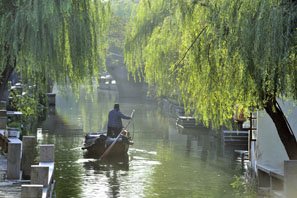 Tongli Water Town
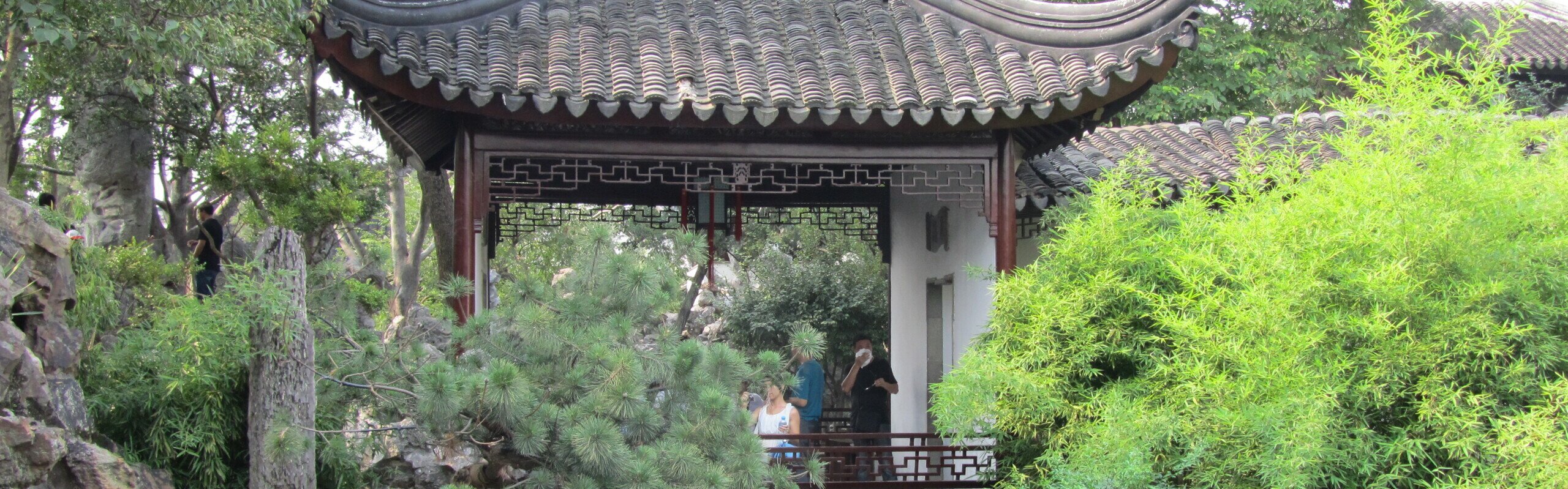
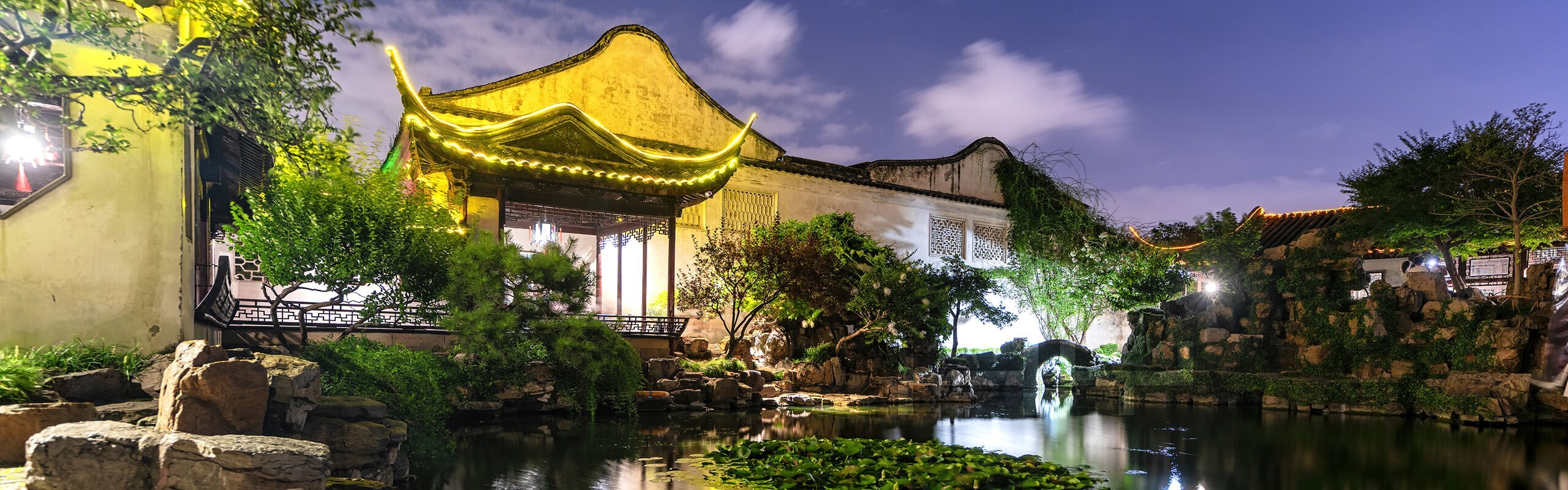
The most well-known gardens of Tongli include Tuisi Garden, Chongben Hall, and Jiayin Hall, and all feature a perfect combination of practical residences and artistic gardens to the south of the Yangtze River.
Tuisi Garden
Designed by Yuan Long and built from 1885 to 1887, Tuisi Garden is in the plain but elegant style of the late Qing Dynasty, and half of it is covered by water. All the buildings are situated close to the surface of the water in the garden.
It was listed as a World Cultural Heritage site by UNESCO in 2001, and it is a classic architectural example of the south of the Yangtze River.
Jiayin Hall
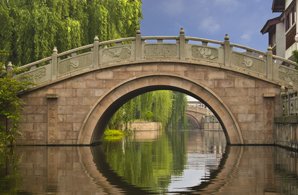 A bridge in Tongli
Built in the first year of the Republic of China (1911–1949), Jiayin Hall is in Loujia Lane, Zhuxing Street.
Jiayin Hall has four courtyards with carved beams and painted rafters, which originally cost about 20,000 taels of silver.
Chongben Hall
Guarded by stone-paved riverbanks, Chongben Hall is nestled to the north of Changqing Bridge in Fuguan Street. It faces Jiayin Hall across the river in the east and connects Changqing Bridge in the west.
If we think of Tongli as an ancient museum, Chongben Hall is considered to be a piece of delicately-carved handicraft belonging to the museum.
Ancient Bridges
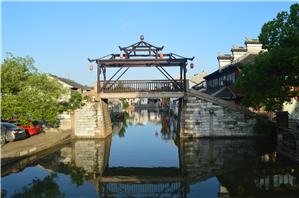
Surrounded by five lakes, Tongli is lined with streets and lanes alongside rivers, and numerous ancient bridges built in various dynasties are available. Some bridges still stand as highlights in Tongli, silently telling the stories and legends of the ancient town.
The Three Bridges
The Three Bridges refer to Taiping Bridge (built in 1913), Jili Bridge (built in 1987), and Changqing Bridge (built in 1470 and rebuilt in 1704), each of which has its own unique meaning for the locals.
It is a custom for the locals to walk across the three bridges during happy events, such as a wedding ceremony. It symbolizes good health throughout the year by walking across Taiping Bridge, to benefit from having a prosperous business in the coming year by walking across Jili Bridge, and it means having an evergreen life by walking across Changqing Bridge.
Siben Bridge
The oldest bridge of Tongli, Siben Bridge was built in the Southern Song Dynasty (1127–1279), and it still stands after being exposed to the wind and rain for over 700 years.
Pu'an Bridge
Also known as the Little East Stream Bridge, Pu'an Bridge was constructed in the first year (1506) of the Emperor Zhengde Period during the Ming Dynasty. Pu'an Bridge is the most representative bridge that reflects the locals'diligence and eagerness to gain knowledge, and a pair of couplets is engraved in the western part of the bridge.
Fuguan Bridge
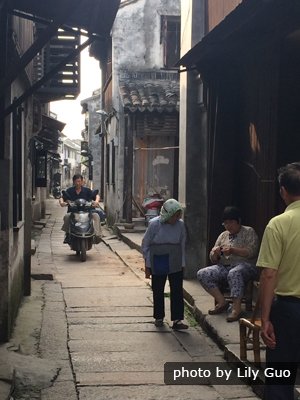 A lane in Tongli Ancient Town.
The most mysterious bridge of Tongli, Fuguan Bridge features a vivid stone carving called "the Fish Fossil in the Peach Blossom Wave".
The legend went that a fish swam against the waves along the peach-blossom covered riverbank, hoping to become an immortal dragon by jumping over the Dragon Gate in March. However, it spied a beautiful girl on the bridge as it sprung into the air and, as a result, its head that was above the Dragon Gate became a dragon's head, while its body that was below the Dragon Gate remained as it was.
Lanes
Many narrow and long lanes are situated among the streets of Tongli, most of which are hollow and stone-paved, and some wind their way for over 300 meters (328 yards).
Cangchang Lane (neighboring Fuguan Street) only allows one person to walk along it at a time, with both of its ends serving as riverbanks, earning it the nickname "One Person Lane".
Streets
The streets of Tongli have an antique flavor. The 160-meter (175-yard) long Mingqing Street preserves its original style from the Ming and the Qing dynasties. It is stone-paved and lined with stores on both sides, including specialty stores, handicraft stores, and snack stores.
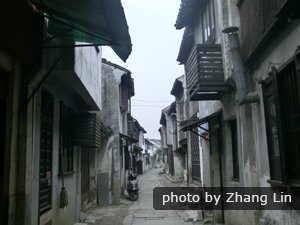 A street in Tongli Ancient Town
There are eight major streets in Tongli Ancient Town: Zhuxing Street, Fuguan Street, Xinzhen Street, Shangyuan Street, Sanyuan Street, Dongxi Street, Yuxing Street, and Nanxing Street.
The eight streets are different from one another in style - some are quiet, some are partially hidden in trees, some are by the river, and some are crammed with stores - each of which is impressive.
Activities You Could Have a Try
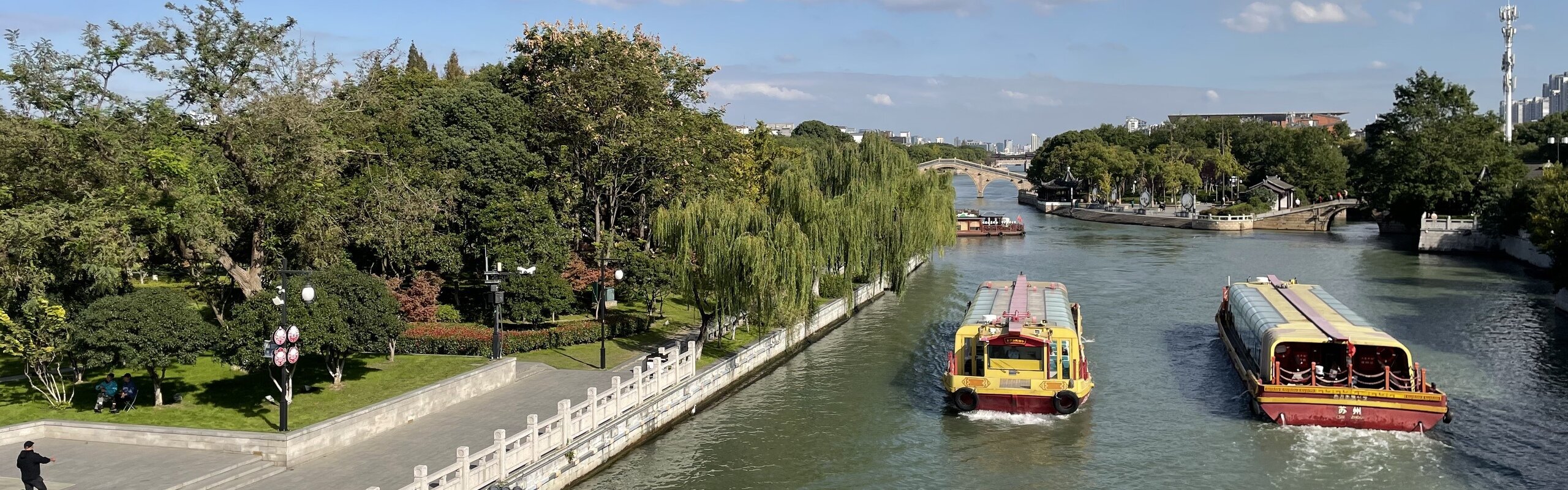
Tongli is rich in rivers and bridges; therefore, it is essential to take a cruise in order to appreciate its antique beauty. A number of ancient architecture clusters from the Ming and the Qing dynasties are displayed before your eyes.
Travelers spending a night in Tongli are recommended to sip a cup of tea or just wander in the gardens during the night to explore its beauty in an aesthetic way.
Meeting of the Immortals
As a regional activity held annually on April 14, Tongli's Meeting of the Immortals is highlighted by stilt walking, boating, and rowing.
The night cruise along Tongli is also launched each Friday, Saturday, and Sunday night, offering people an excellent opportunity to appreciate the traditional stringed and woodwind music found to the south of the Yangtze River.
Travel Essentials for Planning a Trip
How to Get There?
Railway: Those traveling to Tongli usually take a bullet train to Suzhou North Railway Station, or a slower train to Suzhou Railway Station. Sightseeing buses, which operate every 20 minutes at a rate of 8 yuan per person, take 45 minutes to reach Tongli. It takes about 80 yuan to get from Suzhou Railway Station to Tongli by taxi.
- Shanghai to Suzhou: It takes about half an hour to get from Shanghai Railway Station to Tongli by high-speed train, and one to two hours by ordinary train.
- Nanjing to Suzhou: It takes about half an hour from Nanjing Railway Station by high-speed train, and two to five hours by ordinary train.
- Hangzhou to Suzhou: It takes about two and a half hours from Hangzhou Railway Station by ordinary train.
- Beijing to Suzhou: bullet train 5–5½ hours; other trains 9–18 hour
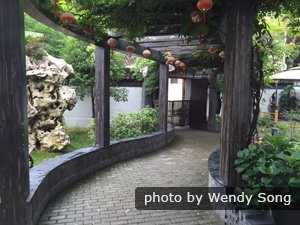 A garden-style hotel in Tongli Water Town
Highway
- Shanghai–Tongli: Many direct sightseeing buses to Tongli are available at Shanghai Bus Station. Travelers can also take a bus to Suzhou first before transferring to one traveling to Tongli.
- Nanjing–Tongli: The buses from Nanjing Zhongyangmen Bus Station (operating every half an hour) take you to Suzhou Bus Station within two hours, and you can then change bus to travel to Tongli.
- Hangzhou–Tongli: Buses running from Hangzhou North Bus Station to Tongli operate daily at 7:50am, 10:40am, and 1:20pm.
The buses from Hangzhou East Bus Station (operating every half an hour at a fare of 50 yuan per person) take passengers to Suzhou Bus Station within two hours, and then a sightseeing bus can be taken to Tongli.
- Suzhou–Tongli: Buses from Suzhou South Bus Station (operating every 10 minutes at a fare of 8 yuan per person) and buses from Suzhou Wuxian County Bus Station (operating every 15 minutes at a fare of 8 yuan per person) take passengers to Tongli within 35 minutes.
Where to Stay?
A number of high-end hotels, featured hostels, and inns are available in Tongli. Most hotels are well-equipped with modern service facilities, such as Wi-Fi; therefore, guests with various preferences can choose accordingly.
The high-end hotels usually cost about 1,000 yuan per room per night, and the others range from 100 yuan per room to 500 yuan per room per night. The room rates will be a little higher in the peak season.
Tour Suzhou (including Tongli) with Travel China
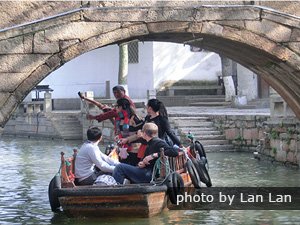 Visit Tongli watertown
Travel China specializes in tailor-made China tours. Check out our Suzhou tours and join in one of them. Or contact us and let us customize a tour, including Tongli Ancient Town, for you according to your requirements.
Here are our most popular Suzhou Tours for your reference:
- 2-Day Essential Suzhou and Tongli Water Town Tour:Visit the most famous gardens in Suzhou, and take a boat ride in Tongli Watertown.
- 5-Day Shanghai, Suzhou, Hangzhou Tour